.svg)
Entering Sacred Space, Leaving the City Behind
What always strikes me in Italy, but specifically in Bergamo, is how quickly the atmosphere changes once you step inside a church. Outside, the city moves with its natural rhythm, people walking, talking, living their daily lives. Inside, everything slows down almost immediately. Bergamo with its incredible painters like Moroni and Lotto significantly changed and enhanced the artistic depth of the city.
Pascal Mercier writes in Night Train to Lisbon about the strange attraction churches can hold, even for those who are not particularly religious. I recognise that feeling very strongly here. It is not only about faith, but about contrast. The city outside feels immediate and modern, while the church introduces another register of experience entirely.
History becomes present in a specific way during church visits. Especially in the different Roman Catholic countries one can see a huge difference between the Italian, Spanish, Portuguese or Austrian churches. Everyone experiences travel in their own personal way. Even for someone who does not approach these spaces purely from a religious perspective, I think experiencing these churches from the inside is truly something worthwhile. In my personal opinion I visit these churches for the immense artistic patronage of the Roman Catholic church.
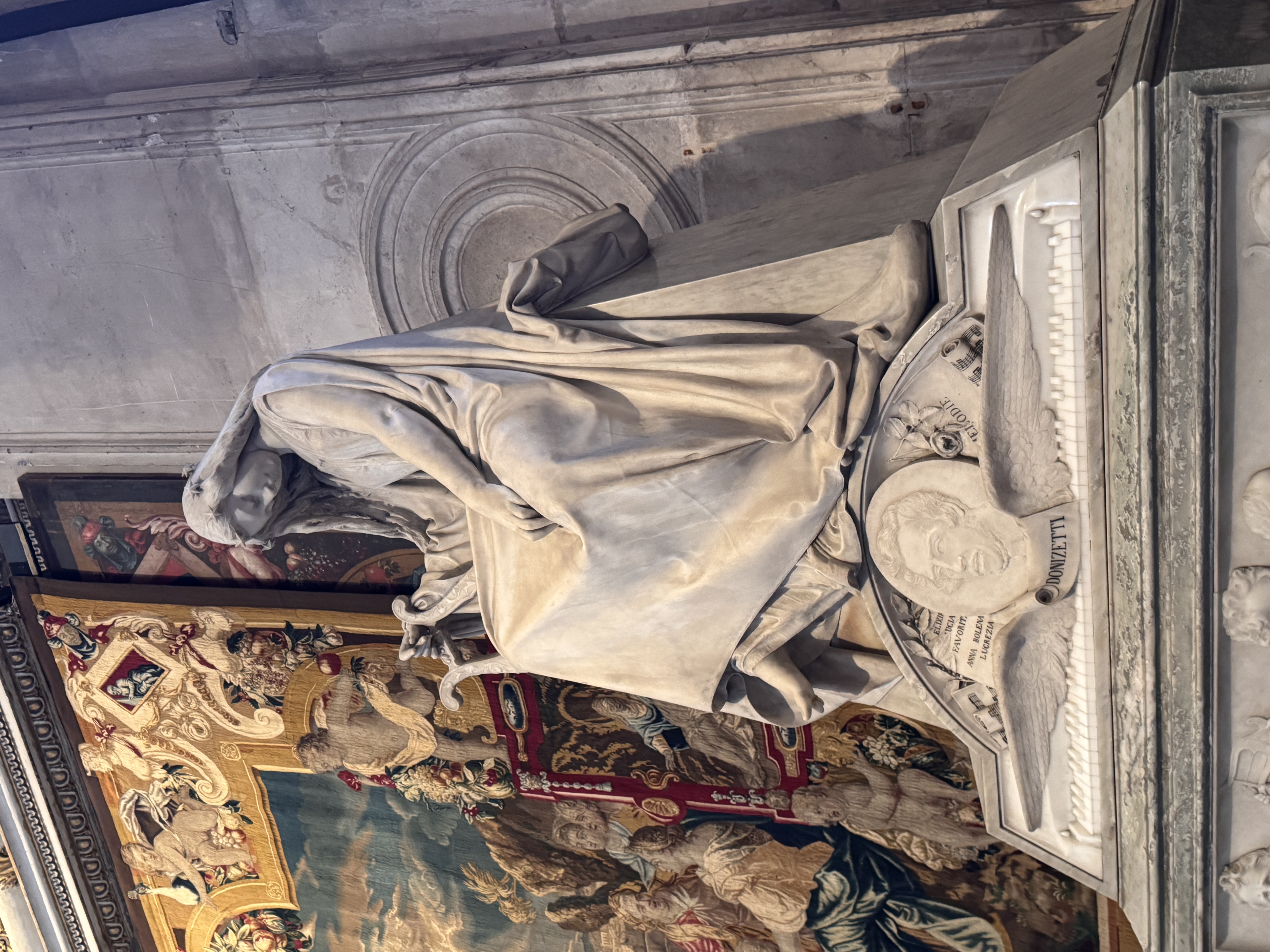
Modesty on the Outside, Splendour Within
One of the most fascinating qualities of Bergamo’s churches is the contrast between exterior restraint and interior richness.
From the outside, many of these buildings appear relatively modest, grounded in stone, often integrated quietly into the urban architecture. Yet stepping inside reveals extraordinary complexity, altarpieces, fresco cycles, marble compositions, carved wood, and painted narratives layered across centuries.
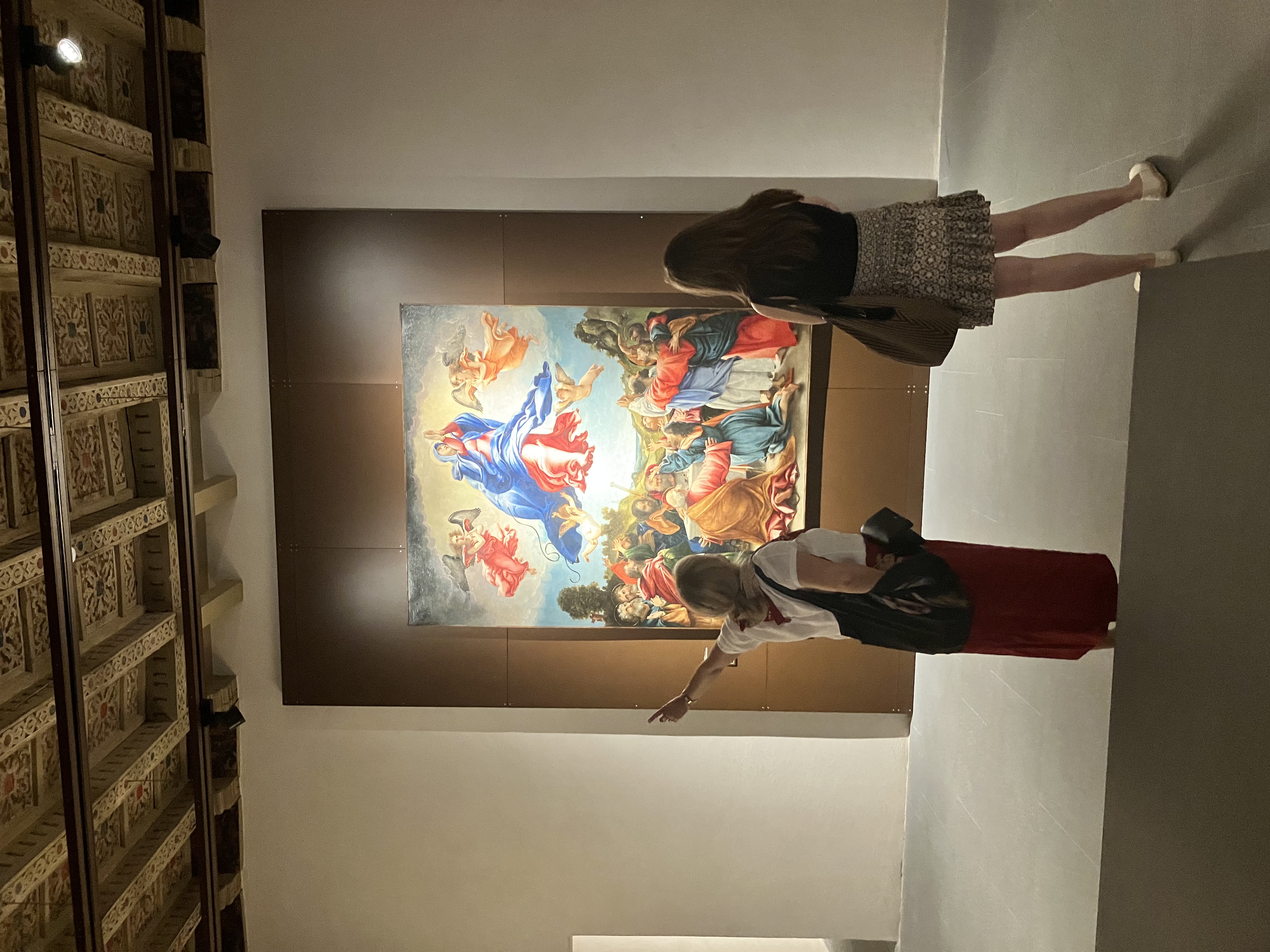
During this visit, experiencing works associated with Lotto in particular reinforced this contrast. His altarpieces sit within spaces that do not announce themselves as grand spectacles from the street.
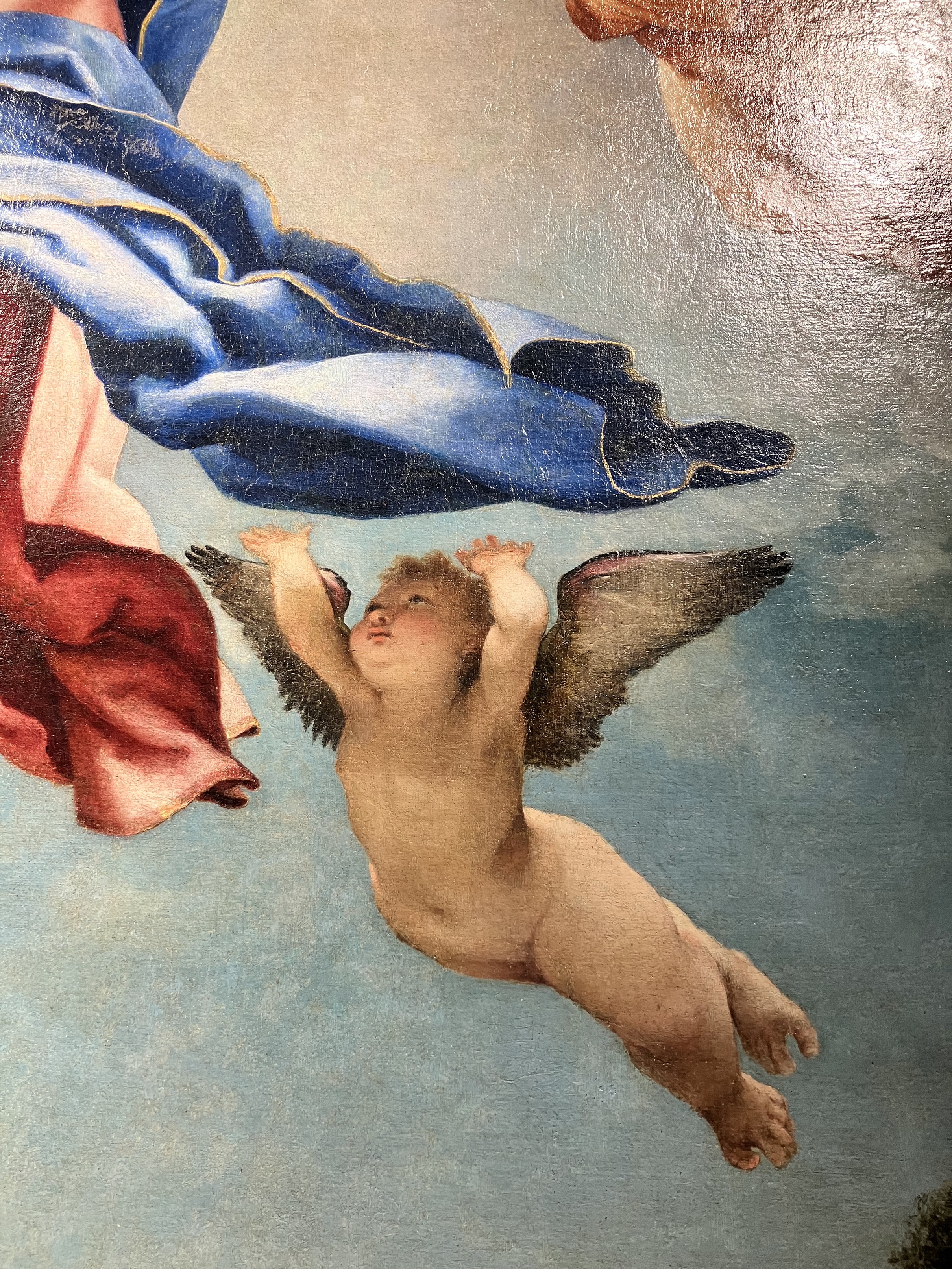
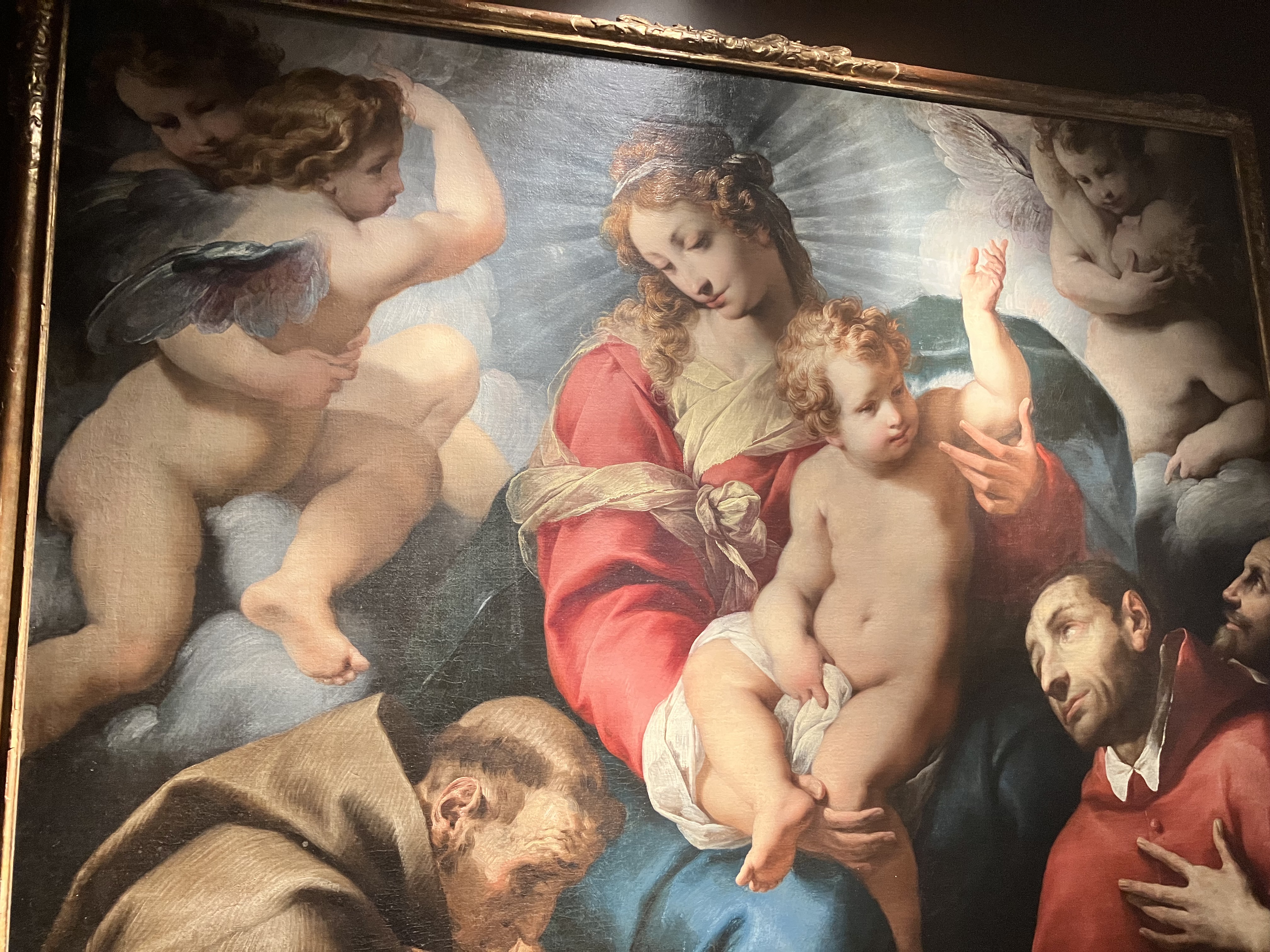
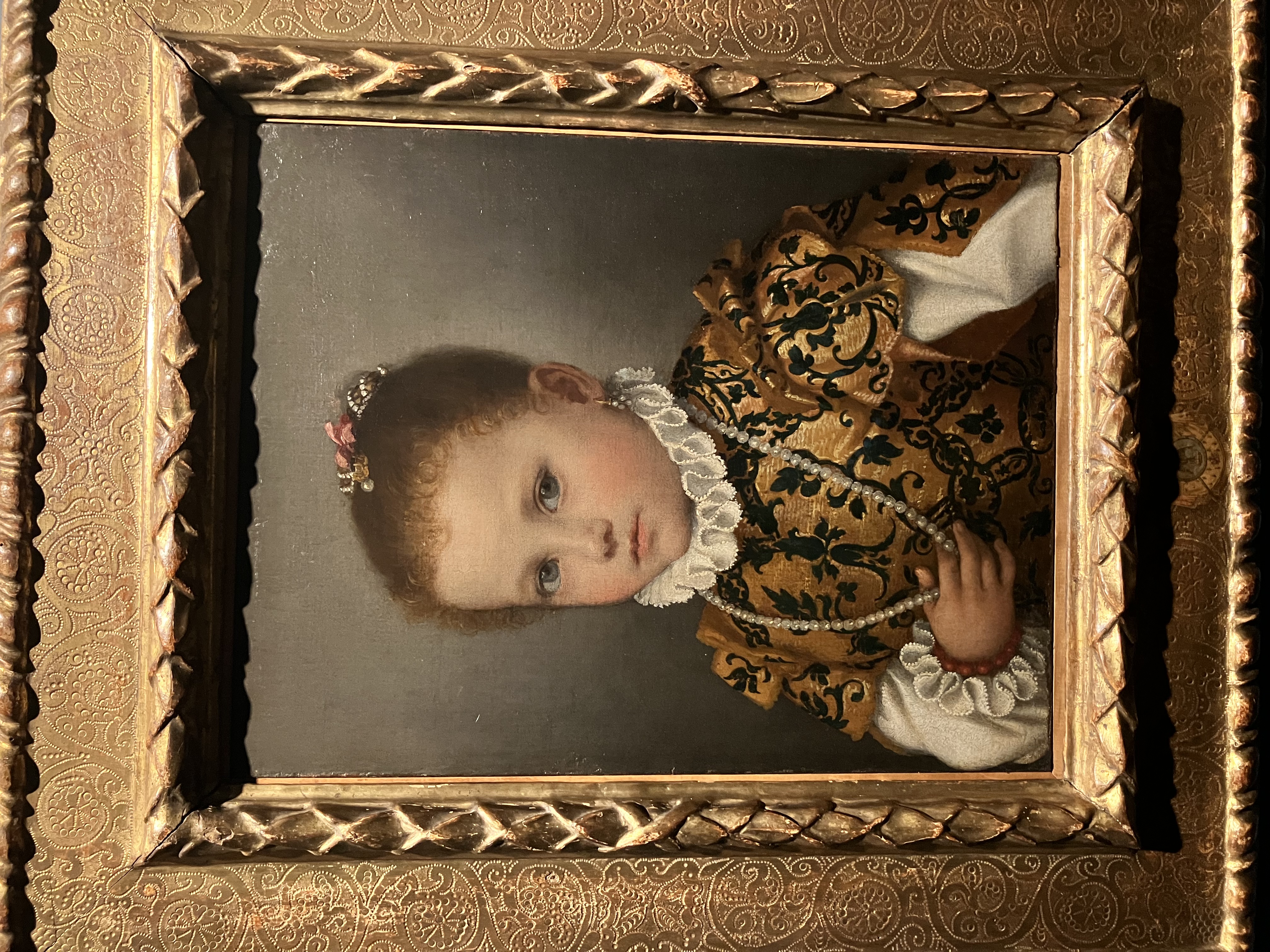
The rediscovery of Lorenzo Lotto was done by Bernard Berenson around the beginning of the 20th century. Before that, his name was nearly forgotten, but standing in front of his paintings, especially in the Accademia Carrara and in the Museo Diocesano Adriano Bernareggi will show you clearly how incredible his paintings are, how clearly and beautiful the faces of the madonna, and the depth of all the saints, depicted in very different ways than was traditionally done in that era.
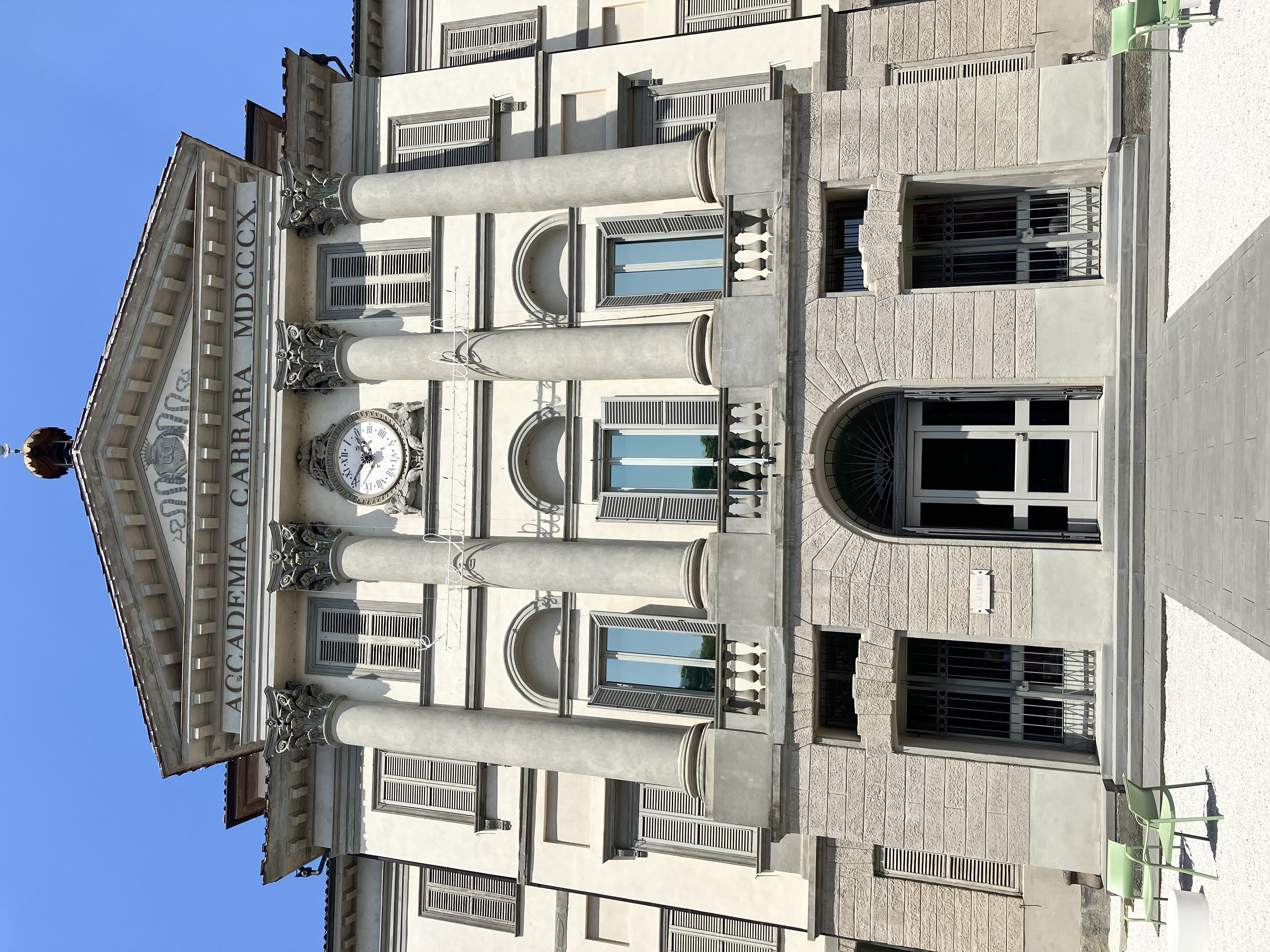
Material Language and the Intelligence of Detail
What begins to emerge to me over time is that these interiors are not only visual spaces, but material systems.
Marble, aged wood, ironwork, fresco surfaces, painted panels, each material carries its own history. The most striking example remains the extraordinary wooden structures associated with Lotto’s designs, created using multiple wood varieties and forming narrative cycles of biblical scenes. The level of craftsmanship is difficult to grasp in a single visit. These 69 unique panels are nowhere else to be found.
These details are not decorative in a superficial sense. They are intellectual structures expressed through material.
Understanding this requires more than observation. It requires context. Renaissance thinking about proportion, perspective, and harmony is not immediately visible without guidance. Once explained by our guide, however, even architectural details such as marble combinations or spatial arrangements began to reveal intentional design logic rather than aesthetic coincidence. This is one of the reasons why we always try to have a private guide. There is just so much to grasp that without clear guidance it is simply impossible.
Seeing Through Historical Understanding
One of the most decisive changes in my own perception of Bergamo has come through guided interpretation.
A skilled art historian does not simply provide information. They change the way you see. What first appears as beauty becomes historical. Churches such as Santa Maria Maggiore are no longer just impressive interiors, but environments shaped by religious, political, and artistic forces over centuries.
This transformation is subtle but fundamental. Without it, one remains at the level of impression. With it, the city becomes readable.
Even spaces designed for devotion and those designed for display begin to merge into a single cultural system. Tapestries, sculpture, painting, architecture, all function as interconnected forms of communication rather than separate artistic categories. As Sara explained to us, Bergamo was so close to the reforming Swiss that the church switched from words to pictures to show the parrochians their messages.
.JPG)
Interiors as Slowing Mechanisms in a Fast World
What stays with me most strongly is how these interiors affect perception of time. Bergamo with its upper city brings you back a couple of centuries, and you feel that. The boutique little shops, the small authentic Bergamasque cuisine with the Cassonceli (a stuffed pasta) often with a wonderful butter-sage sauce, will bring you the most wonderful and traditional impression.
Outside in the down part of the city, contemporary life accelerates continuously. Technology, movement, famous brands and information create an almost uninterrupted sense of speed. Inside the top part of the city and the churches, that speed collapses. People naturally lower their voices. Movement becomes slower, attention shifts and you will experience a different sense of time.
In that sense, Bergamo’s exteriors and interiors are not only cultural spaces. They are corrective spaces. They reintroduce scale, patience, and attentiveness into perception. And in a world that increasingly moves faster, that experience becomes more rare, and, in my opinion, more necessary.
Experience Italy Beyond the Guidebook
Discover the stories behind Italy's greatest churches, artworks, and hidden treasures with a tailor-made itinerary designed around history, culture, and authentic local experiences.

Robert Poortinga
Travel Booking Assistant
River cruise & Europe destination expert
Culinary and art travel specialist
Concert Pianist
more of our impressions of the religious art in Bergamo:
_Black.png)