.svg)
Discovering Provence Through Food: The French Riviera on the Plate
A Moment in Modern Gastronomy
We are living in an interesting moment in gastronomy. After the richness of 19th-century haute cuisine, the lighter movement of nouvelle cuisine and the Cuisine Minceur (a special direction of fine dining-diet created by Michel Guirard), and the experimentation of the 1990s, I feels like we are in an age where food is about balance and health.
During our time on the French Riviera and around Aix-en-Provence, this was exactly what we noticed. The focus was not on making food heavier or more complicated. It was about ingredients. Good products, prepared with care, where the quality speaks for itself.
For me, the word restaurant has always been fascinating because of its connection to restoring. Eating is not only about pleasure. It is also about restoring ourselves and giving our bodies something valuable.
That does not mean I only want to eat vegetables and fruits. When travelling, I love discovering traditional and local food which was unaware of. Doing so, I look for places where the ingredients are respected and where there is a sense that someone cares about what is being served.
That feeling was present throughout Provence.
Between the Sea and the Mountains
The Côte d’Azur has a very particular landscape. It is not only the Mediterranean coast. Within a short distance, you are surrounded by mountains, olive trees, forests, and magical medieval villages.
This combination creates a cuisine with different layers. The sea brings lighter flavours, while the mountains bring deeper ones. In Italy, this relationship between land and sea is often called mare-monti, and we experienced something similar here.
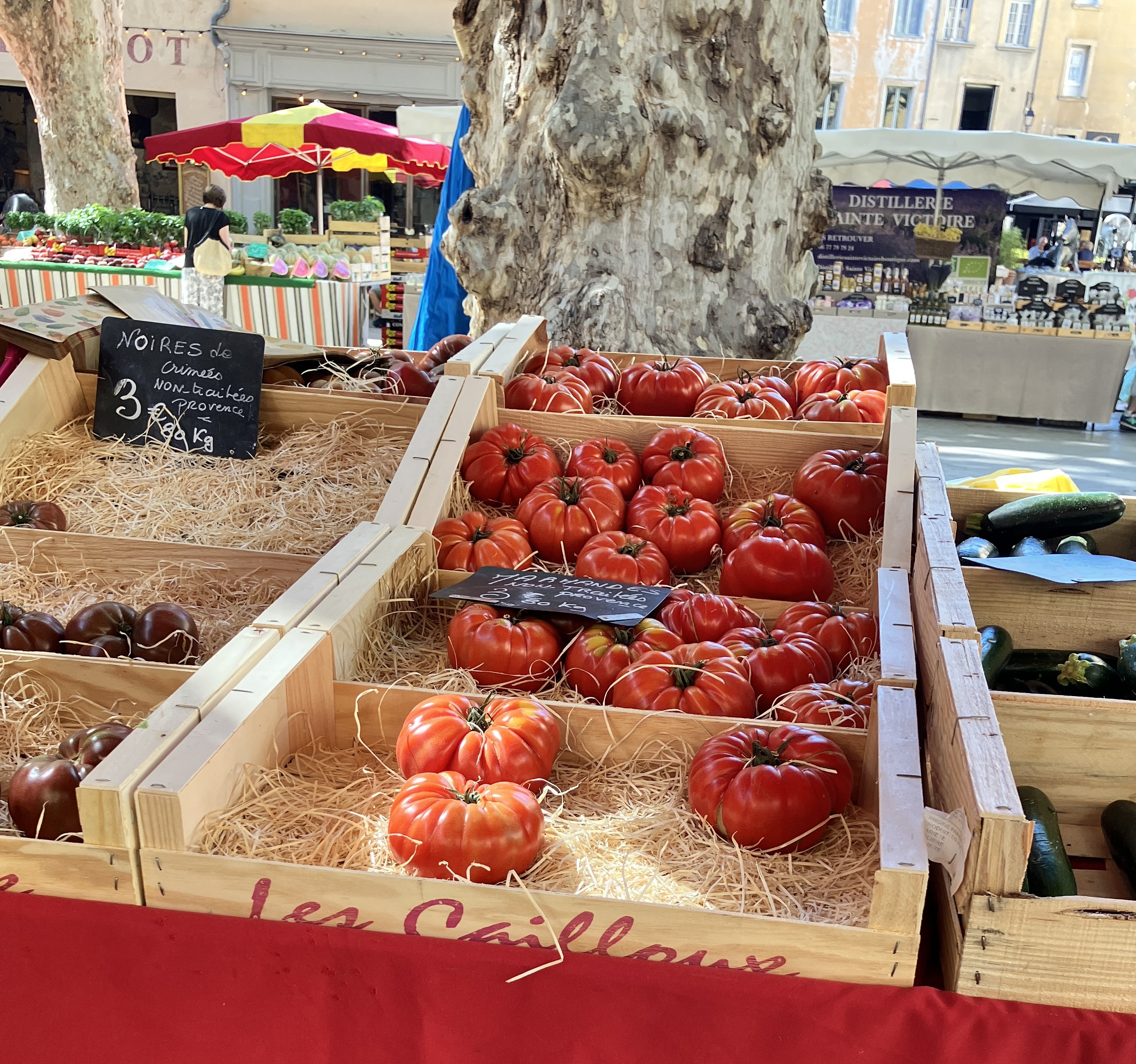
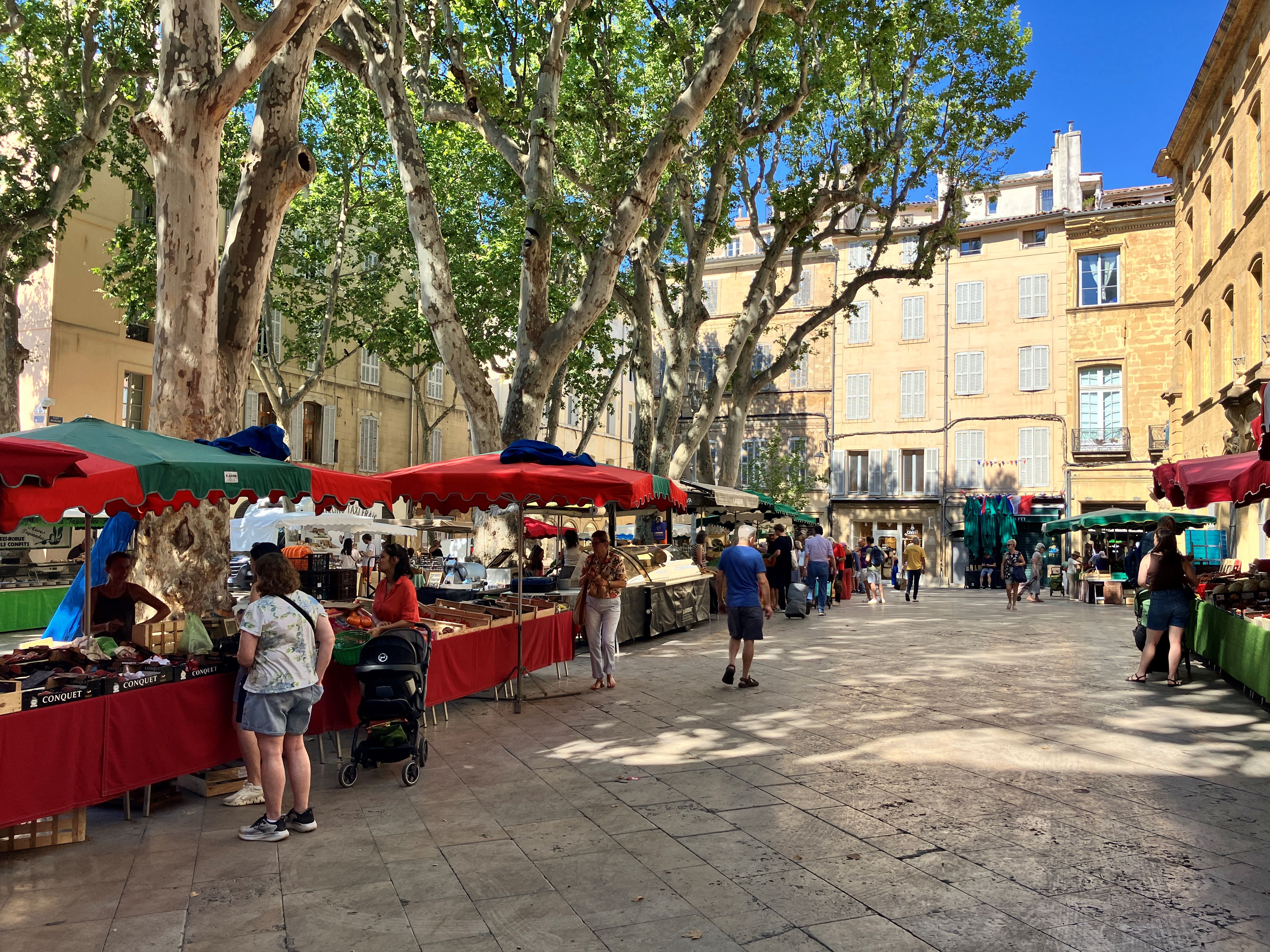
Being there at the end of June was a wonderful moment for seasonal produce. The fruits and vegetables were at their best. Walking through places like Saint-Paul-de-Vence, surrounded by olive trees and lavender, changed the way we experienced the food afterwards.
The ingredients that appeared again and again were simple but excellent. Fresh seafood, especially octopus, beautiful olive oil, garlic, herbs de Provence, French bread, and local wines. The region has a very clear identity through its products.
One thing I did miss slightly was fennel, one of my absolute favourite vegetables. I expected to find more of it, having experienced it on previous trips in this area. But the quality of the other ingredients more than compensated for it.
Markets, Lunch Menus, and Real Provençal Life
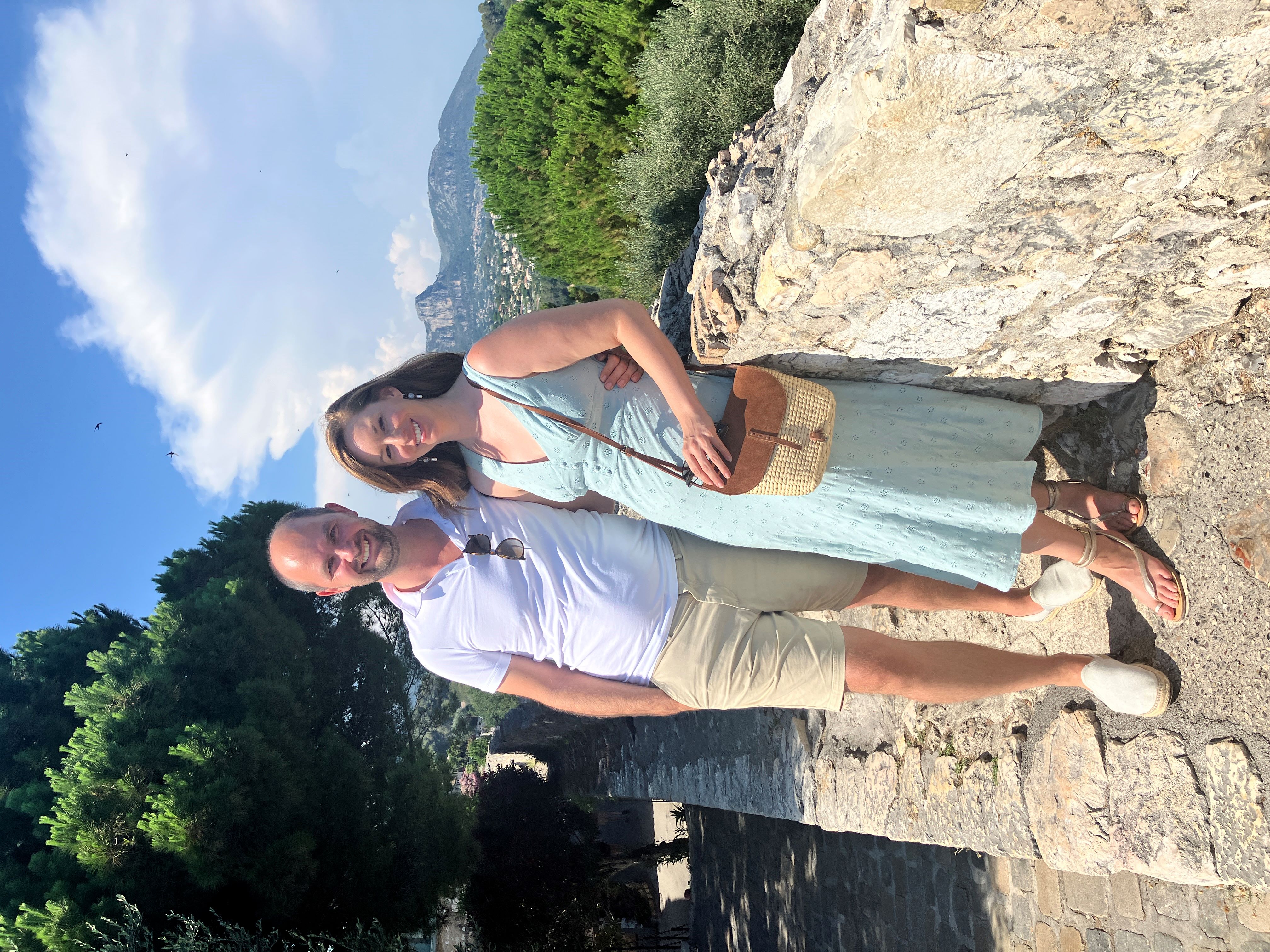
The French markets are difficult to beat. During our visit to Aix en Provence, we spent time walking between the stalls, discussing ingredients, smelling herbs, and discovering things we wanted to bring home. We found lavender from mountain producers, homemade herb mixtures, and even hand-picked flower petals, which I will use for Asian cooking.
The lavender was especially memorable. The quality was incredible, yet the price was surprisingly reasonable. We brought home bags of herbs de Provence, and when we opened our suitcase again in Lisbon, the entire suitcase still smelled of Provence.
This is what felt so special about the region. Food was not separated from daily life.
We also noticed something simple but very French: the traditional lunch menu. Many restaurants offer a composed three-course meal for around €25. It is not designed as a tourist attraction. It feels like part of everyday culture. A good meal, prepared properly, at a fair price.
The restaurants that stayed with us were not necessarily the newest or the most photographed places. I tend to avoid dishes and restaurants created ‘only’ for Instagram. Often, the attention goes more toward appearance than cooking.
A truly exceptional restaurant has many things to get right before the food even arrives. The welcome, the atmosphere, the service. A waiter ignoring you or a neglected bathroom can completely change and ruin the dining experience. Food does not exist separately from the place around it.
Tradition Around the Table
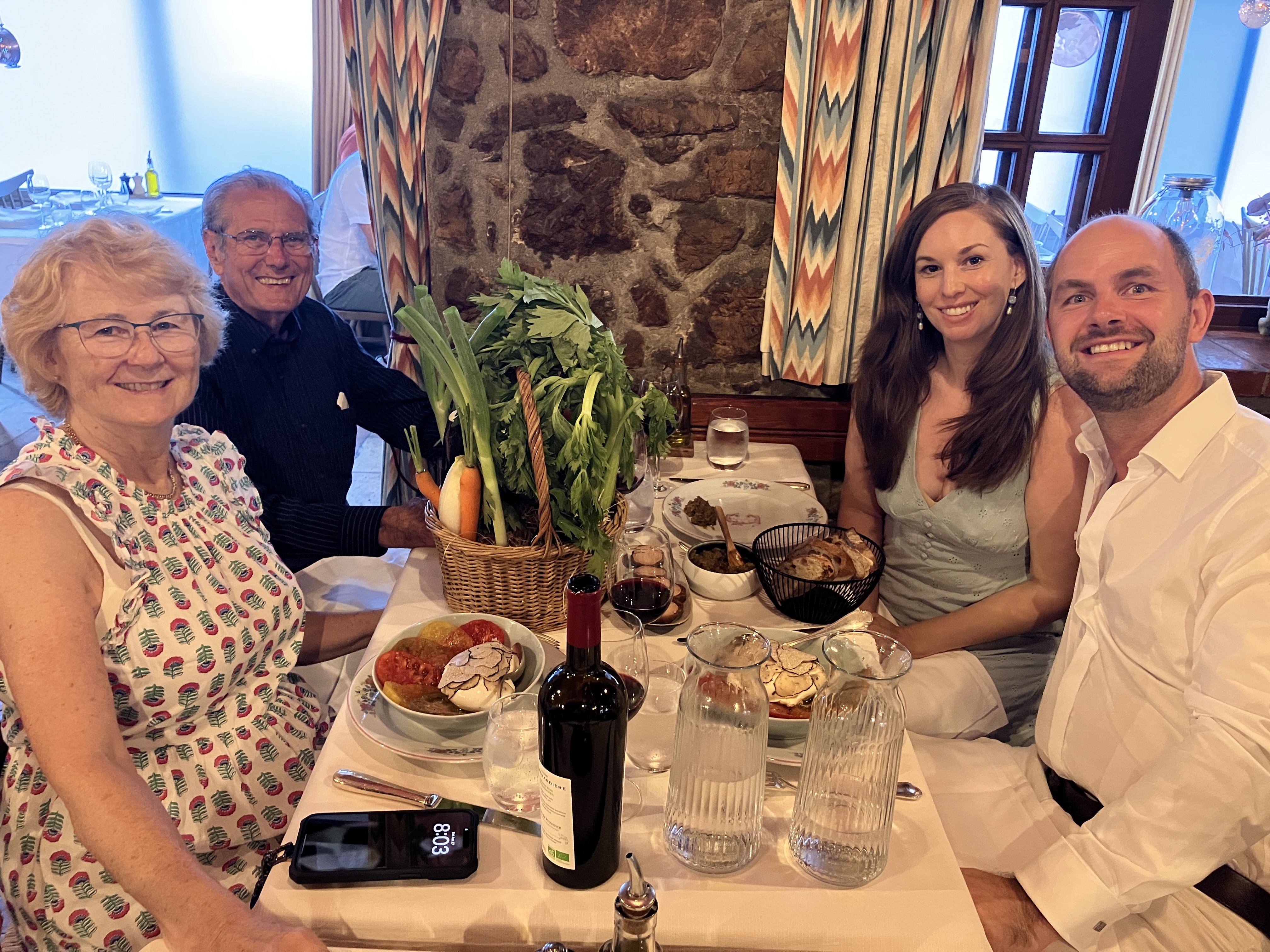
One of our most special experiences was at La Chaumière, an old inn in the mountains outside Nice. Inside was a large grill where they still cook in the same traditional way. The flavours were direct and full of character. Nothing felt unnecessary.
Our friend, who had known the restaurant since the 1950s, told us stories about visiting there over decades. He had even met Charlie Chaplin there as the restaurant has always attracted many well-known guests looking for this very authentic style of cooking. Our server was the third generation, deeply connected to the same family history and our friend recalled seeing her help her grandparents out at age 10. Hearing those stories while sitting there changed the experience completely. It was not only about the meal. It was about generations of people returning to the same place over and over again, for decades. This is also where I think luxury in gastronomy is misunderstood. Luxury is when someone pays attention, when knowledge is shared, when ingredients are respected and when a restaurant creates something personal.
A final evening at home captured this perfectly. We cooked with ingredients from the market, added fresh truffle that we carefully sliced with a very sharp knife because we did not have a truffle slicer, opened beautiful Provençal wines, and finished with champagne and chocolate mousse.
The food was wonderful. But the memory came from sharing it.
That is what stayed with us from Provence: the people around the table and the experience of enjoying something together.

Robert Poortinga
Travel Booking Assistant
River cruise & Europe destination expert
Culinary and art travel specialist
Concert Pianist
_Black.png)