.svg)
From a Perfume Brand to a Place We Wanted to Understand
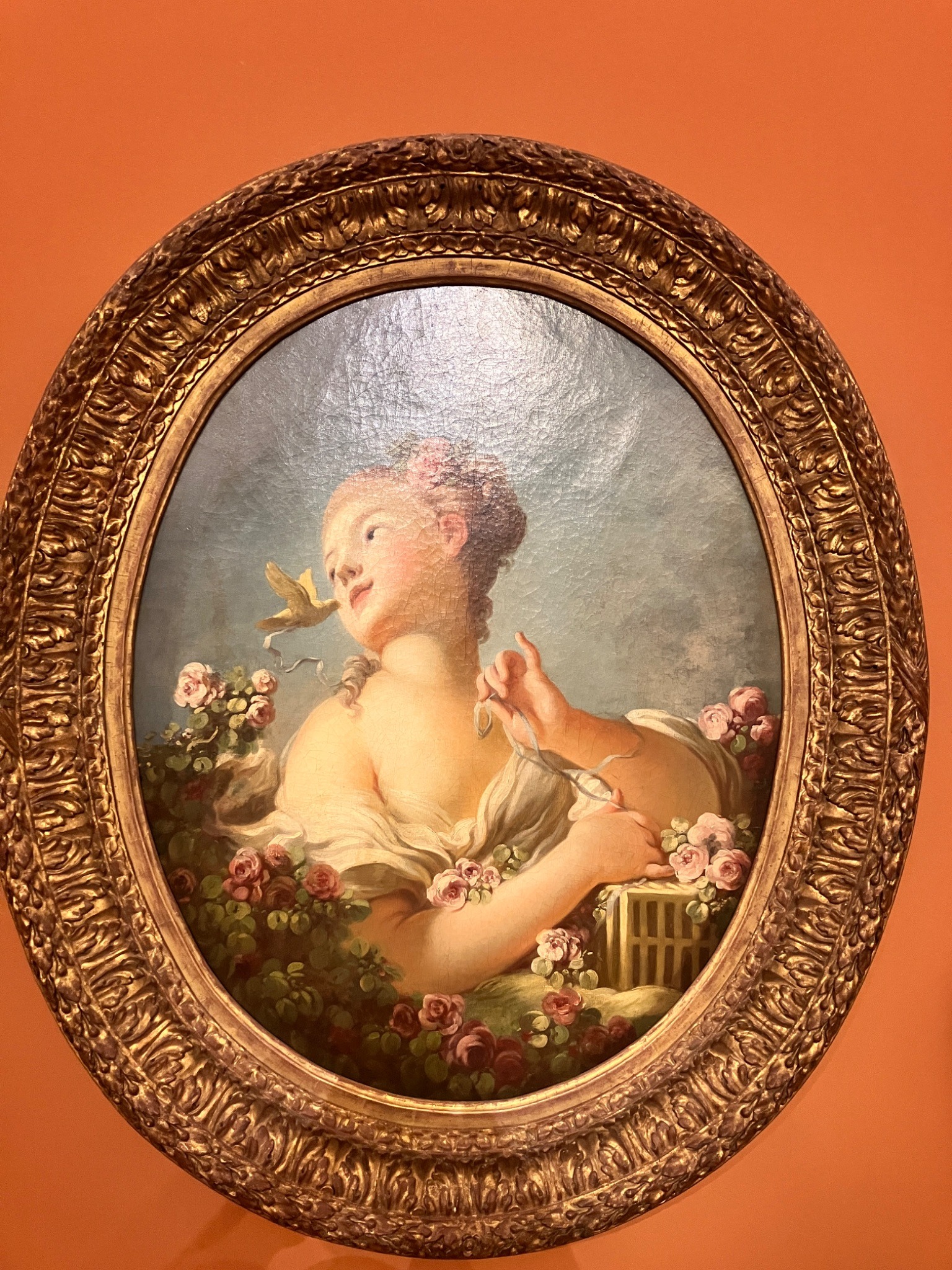
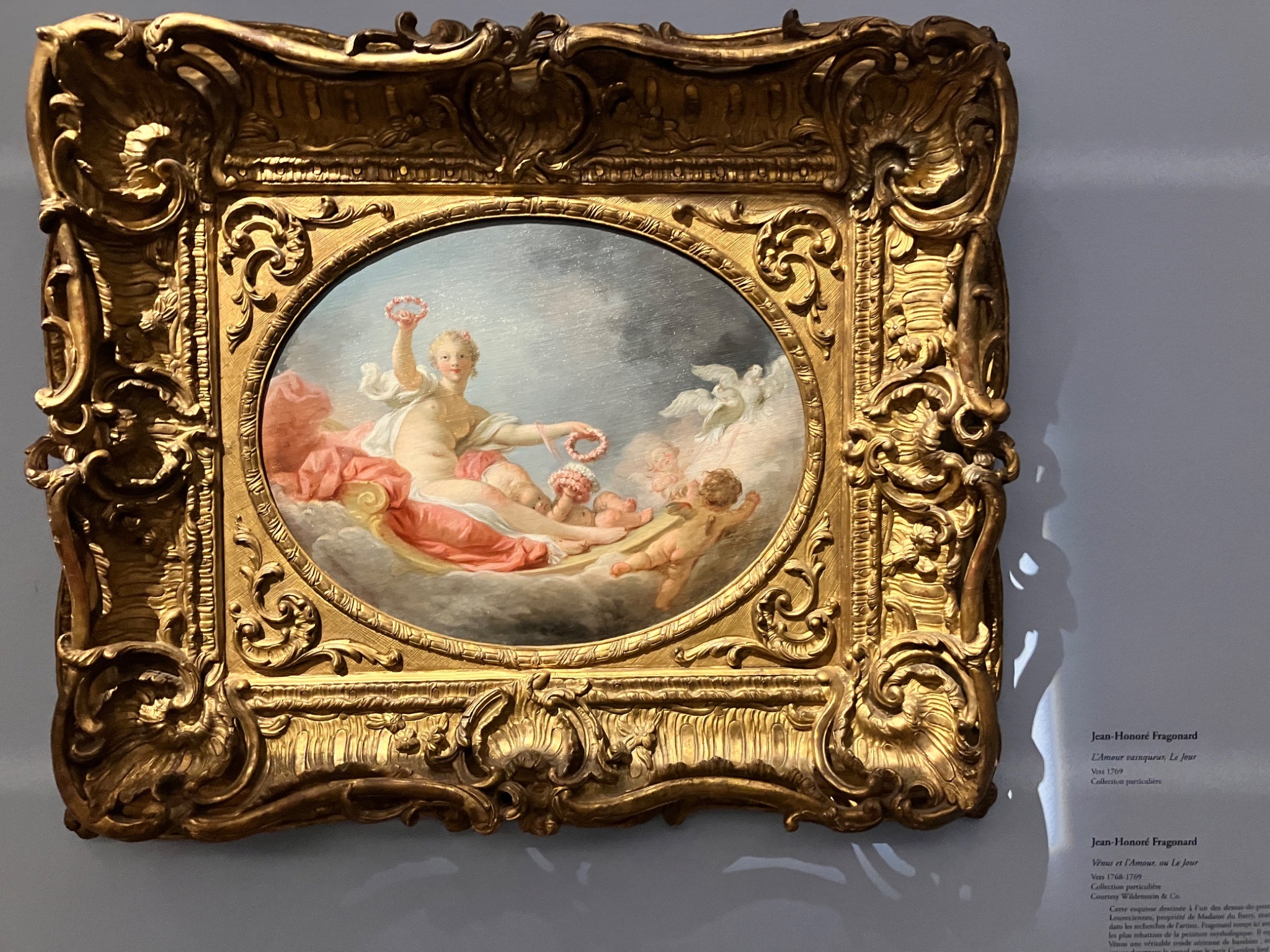
Before this trip, Grasse honestly did not mean much to me. Marisa had read about it and wanted to visit, and the more she told me about it the more intrigued I became. We already knew the brand from La Mamounia in Marrakech and from our voyages with Ponant. I also have another reason for loving the name. Jean-Honoré Fragonard has always been my favourite eighteenth-century French painter. His playful paintings, graceful angels and expressive faces never fail to make me smile.
I have also collected fragrances since I was young. There are more than twenty bottles at home, and many of them are still in regular use. One fragrance in particular became part of my concert life. I wore it whenever I performed. When Marisa and I met again years later, I surprised her by wearing it. She recognised it immediately. Eighteen years had passed, yet she still remembered it.
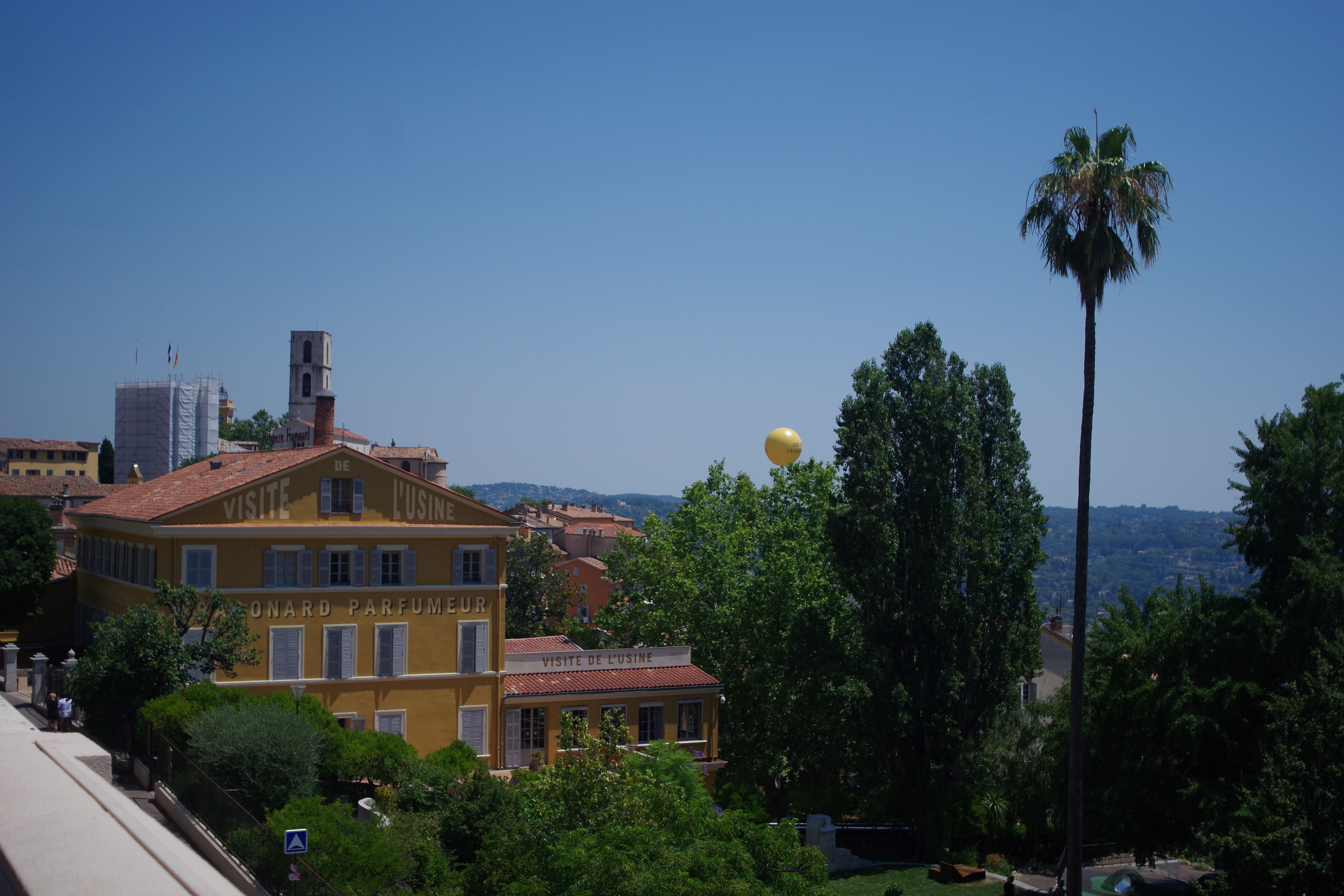
Driving into Grasse, the town immediately felt connected to perfume. There were flowers everywhere, the hills surrounding the town, and none of the industrial outskirts that sometimes separate you from the places you actually came to see. Even before entering the museum, it felt like we had arrived somewhere with a very specific identity.
Inside the World of Fragonard
"Smells informs as much as 75% of our emotions"
Your brain on art p.243
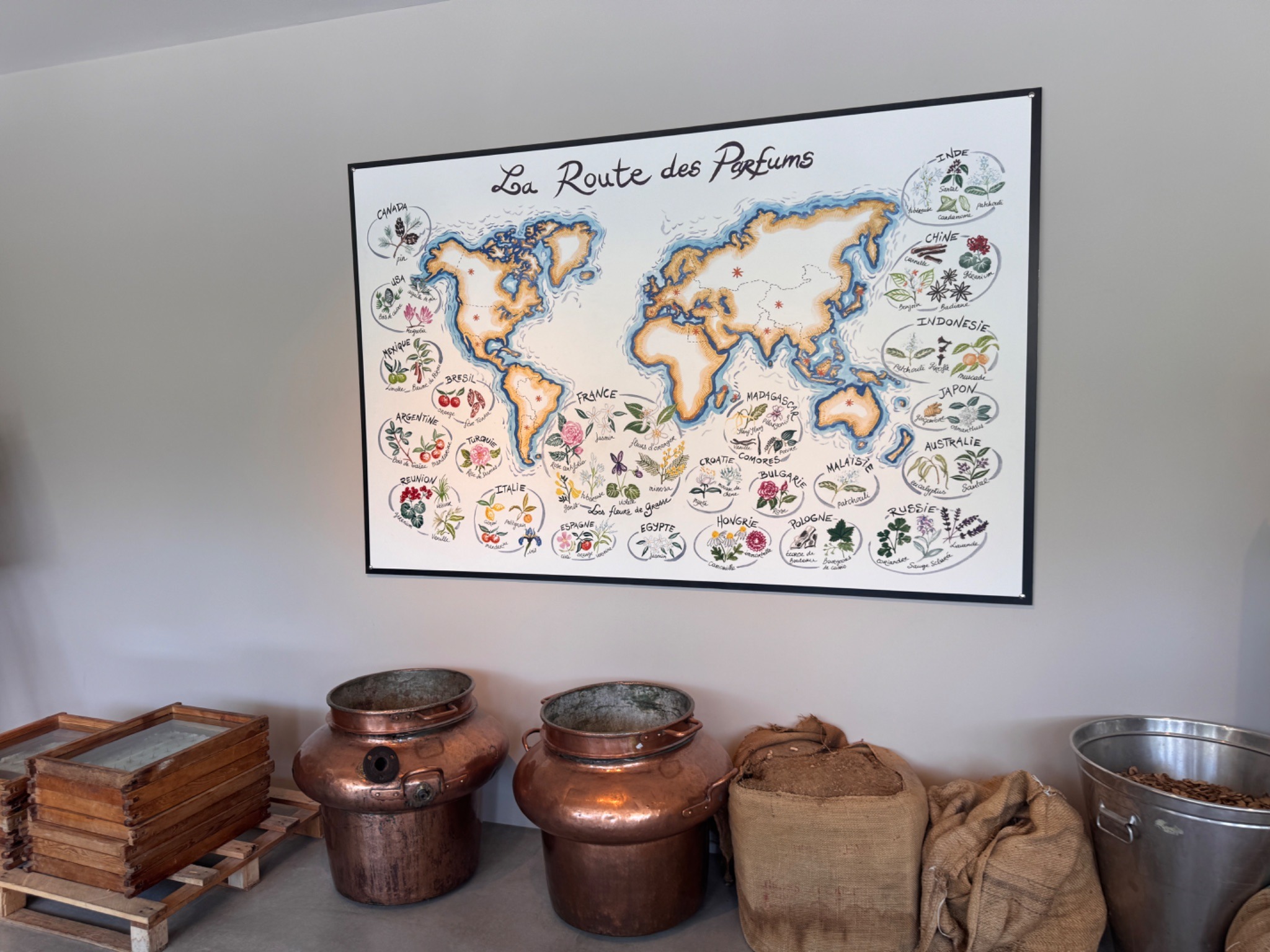
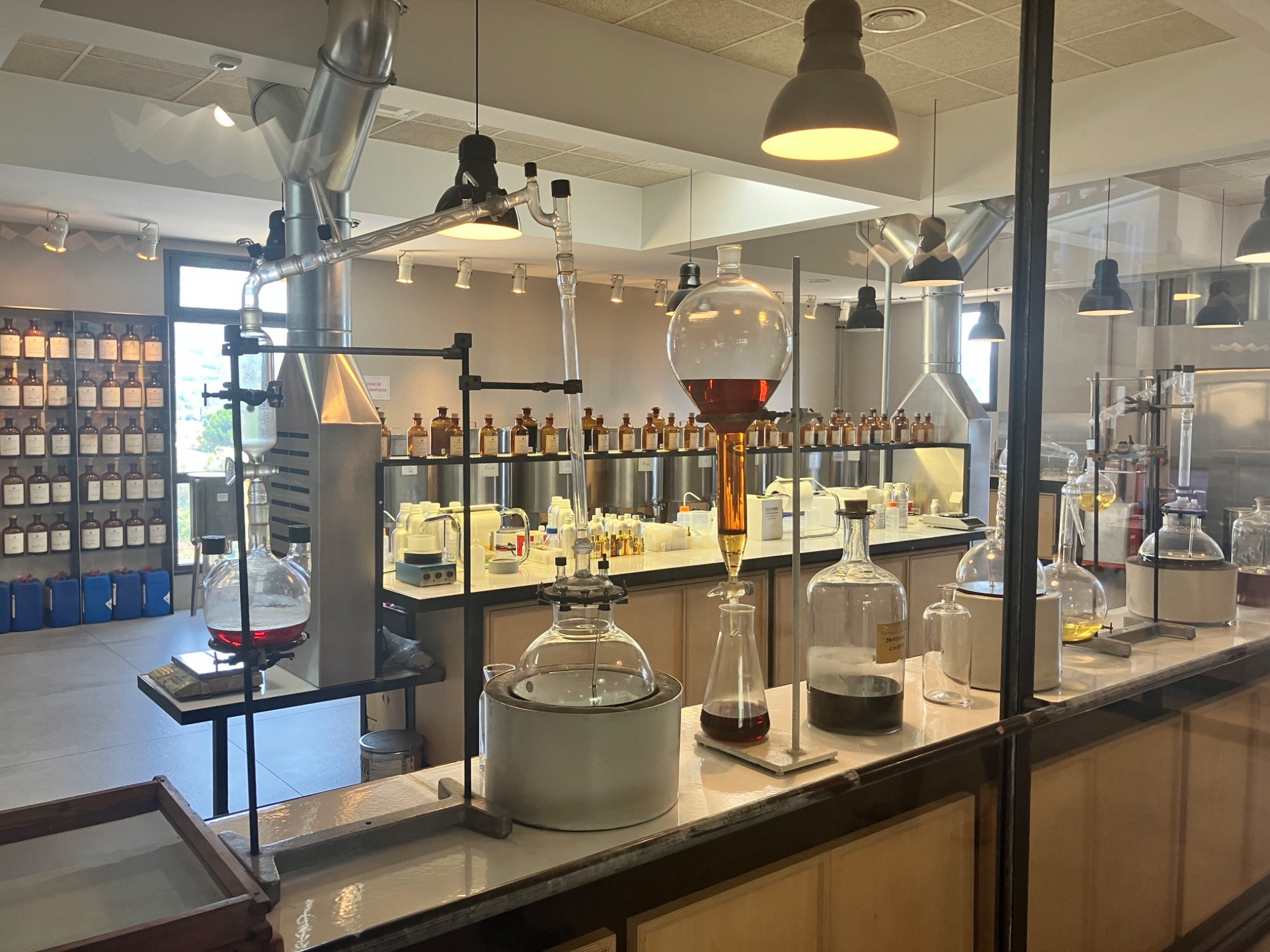
Our visit began at the modern Fragonard museum, where we joined an English-language tour. I expected to hear mostly about the company's history. Instead, our guide spent most of the time explaining how perfume is actually made; a much more fascinating topic for me.
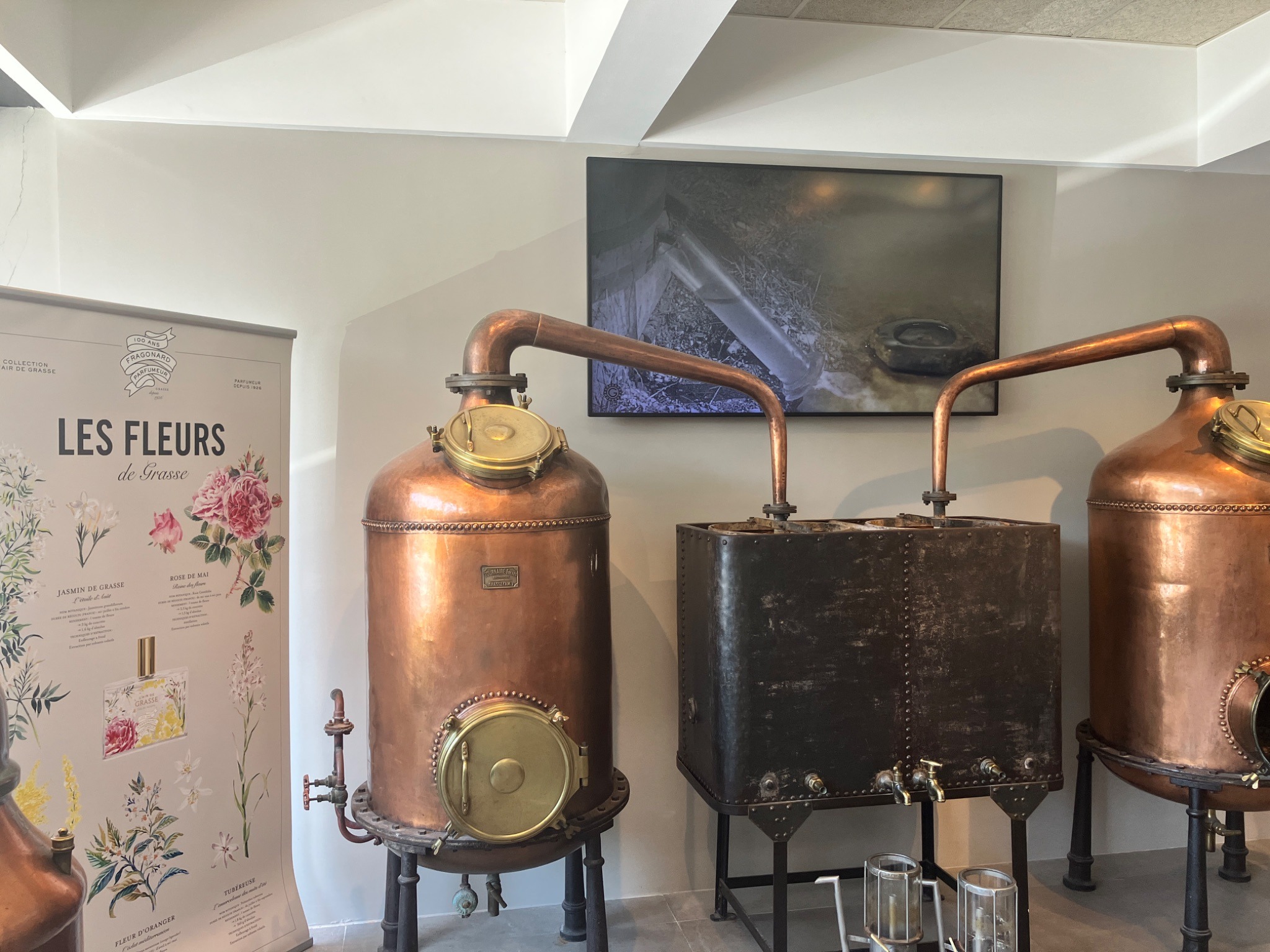
Standing beside the historic distillation equipment, we learned how flowers are treated differently depending on how delicate they are. Some are distilled, while others have their fragrance extracted through fat before their essential oils are separated. As someone who enjoys cooking, I immediately recognised parts of the process. I often extract orange oils for my orange-infused chocolate mousse at home, so hearing how similar ideas are used in perfume making was fascinating.
The history behind perfume also surprised me. Leather production in Grasse created unpleasant smells, so scented products were developed to cover them. Over time, the town gradually transformed from leather into perfume, which is how the town now mostly is known.
France's perfume industry did not begin as a luxury product. The guide also explained how perfumes are built. Top notes, heart notes and base notes all need to work together. Listening to her, I kept thinking how familiar the vocabulary sounded. Balance. Harmony. Notes. It was difficult not to hear music in the language of perfume and she smiled when I remarked how close perfume was linked to music.
One practical tip stayed with us. If a fragrance changes too much on your skin, spray it on your clothes instead. I had never thought of that before.
Four Free Museums and a Different Way of Building a Brand
The biggest surprise was not the perfume itself.
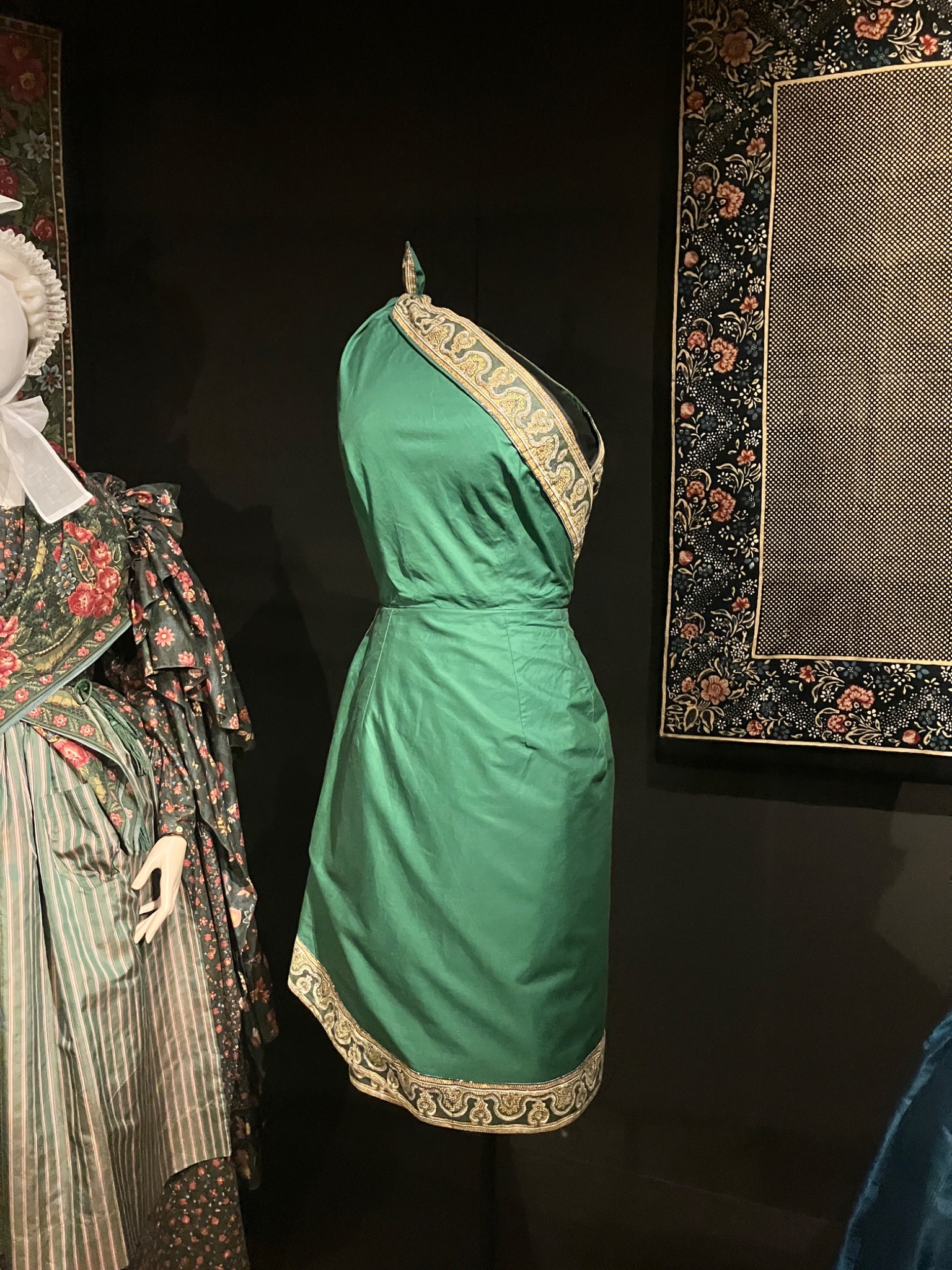
Fragonard is still family owned and offers four museums free of charge. Two focus on perfume, one on clothing, and one is dedicated to Jean-Honoré Fragonard.
We spent more than an hour wandering through the art museum. Seeing paintings by my favourite French artist provided by a luxury perfume brand genuinely moved me. We stood in front of the canvases, noticing the tiny figures hidden in the compositions, the expressions on the faces and the paintings created together with other artists from Grasse.
That generosity stayed with us throughout the visit and aligned closely with our philosophy of the company. With our Concert&Cruises annual events, we want to create a special evening for people, sharing an evening together that revolves around travel news, trip-inspiration and a free concert with music from the greatest composers. It’s not about business, it’s about culture, traditions and a multi-sensory experience.
The people working there reflected the same feeling. Everyone we met seemed genuinely proud of the company. Our guide told us she loved being creative. It did not feel like she was repeating a script, she was sharing something she enjoyed and passionate about.
Walking through the production area, we also noticed how carefully everything was organised. Soap production varied from day to day depending on demand, but never in quality. That attention to detail said more than any marketing campaign could.
More Than a Perfume Shop
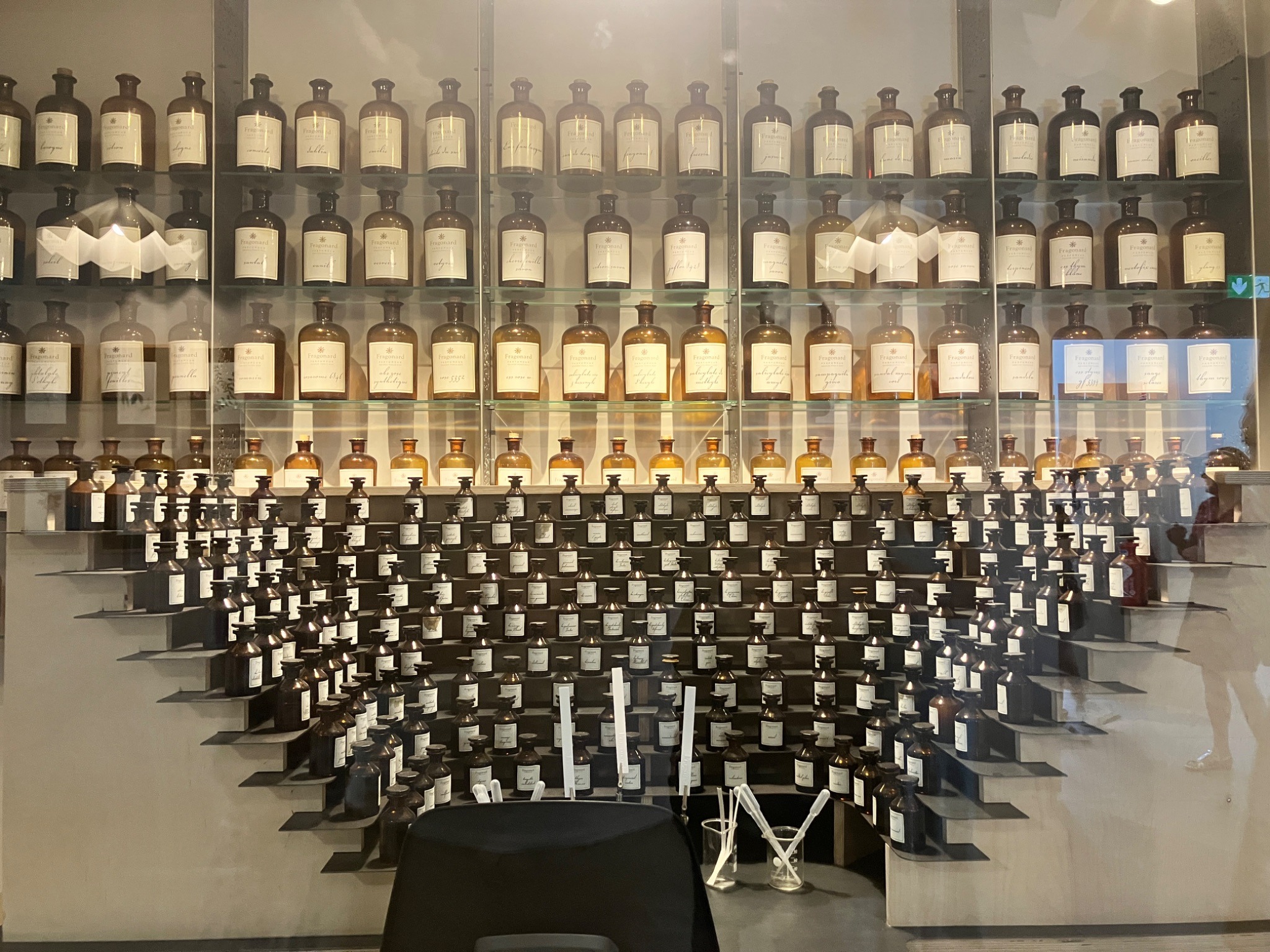
Before leaving, we tried several fragrances from the classic collection. Diamant, Étoile and Belle de Nuit were standouts. Marisa eventually chose Diamant, a decision that I approved with full-heartedly.
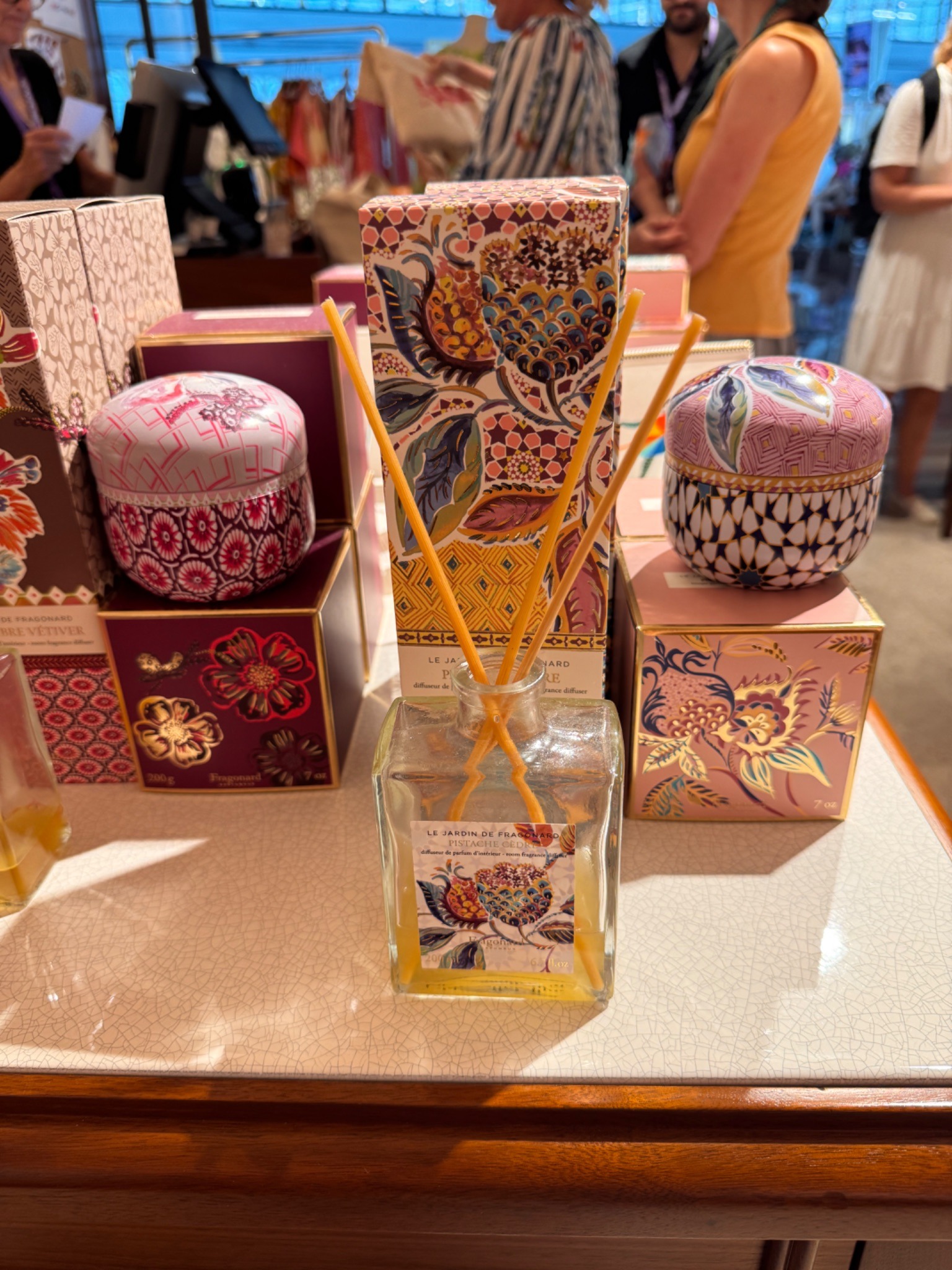
What struck us most was how distinctive the fragrances were. None of them smelled generic. They are almost immediately recognisable as being Fragonard.The packaging reflected the same philosophy. Beautiful bottles, elegant colours, French names that had not been translated for international markets, and branding that remained deeply connected to its heritage instead of following trends.
Looking back, we realised that Fragonard never felt like a company trying to sell us perfume. It felt like a family inviting us into their world. The museums, the guided tour, the history, the craftsmanship and the artwork all came before the purchase.
That idea stayed with us long after we left Grasse.
For us, luxury here was the feeling that a company was willing to share its knowledge, its history and its culture before asking for anything in return.
Robert Poortinga
Travel Booking Assistant
River cruise & Europe destination expert
Culinary and art travel specialist
Concert Pianist
_Black.png)