.svg)
Piedmont is the 'hidden' gem of Italy
Seeing Less, Remembering More
After twenty years of travelling through Europe, I have become increasingly convinced that seeing more does not necessarily mean experiencing more. Italy makes this particularly obvious. There is so much to see that it is tempting to keep moving: another city, another museum, another hotel, another train. But when the days are spent getting from one place to the next, the actual experiences can disappear into the journey.
We prefer fewer locations and more time in each one. Piedmont suits that way of travelling particularly well. This is the region where the Slow Food movement began, and there is something very Piedmontese about giving things time. Food, wine, craftsmanship and culture are treated with care rather than speed.I understood that much more clearly after living there for five years. You slowly begin to see the details that are difficult to notice as a visitor.
A Region You Begin to Understand
Living somewhere changes the questions you ask When you travel as a tourist, you see what is in front of you. When you spend time with local people, work with them and visit their homes, you start to understand why things are the way they are. That has been one of the most valuable parts of my own travels. Music gave me unusual access to people. I have met people through concerts who became friends for more than twenty years. I have been invited into people's lives because of music, and those relationships have taught me about art, aesthetics, philosophy, culture and simply how people live.
One of the clearest examples came in Bergamo with our guide Sara. She understood our interests and showed us the city accordingly. It became an exchange of ideas rather than simply a guided tour. We are still in touch. That is the kind of relationship I mean when I talk about meaningful travel.
Around the Table
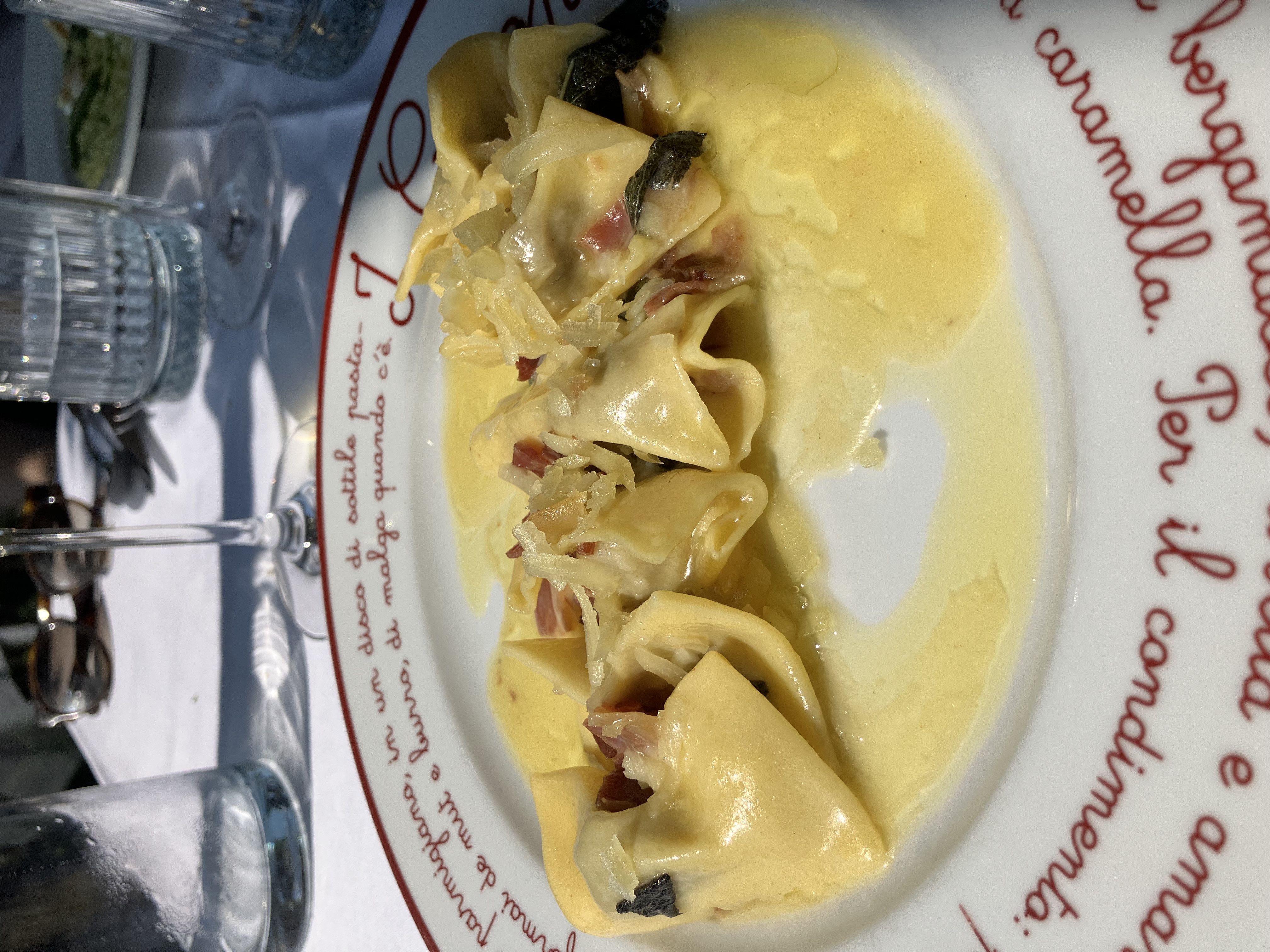
Food is probably the easiest way to understand this in Italy. I learned in Piedmont that food requires time. I have always cooked for people and often done business around a kitchen table with a good glass of wine. The important part was never the glass itself. It was the time sitting together. I remember traditional four-course meals with local people that lasted five or six hours because the meal was also the occasion for conversation.
That is very different from eating quickly because there is somewhere else to go. Music can work in a similar way. It gives another way into a place. A concert is not only something you hear. The room, the instrument, the history behind the music and the people listening all become part of the experience. When I perform in a historic palace, I am not simply bringing a piano recital into an old building. I am connecting the music with the place where it is being heard. That is particularly important in Piedmont, where so much cultural history is still present in the buildings themselves.
Why I Chose Piedmont
When Marisa asked me where I would take a group, I did not have to think. I immediately said Piedmont. After five years living there, I knew what I wanted people to experience. It was not simply the wine country or Turin or the mountains. It was the combination of things I had encountered there over time. I think of the first time I played at Palazzo Taffini in Savigliano. I opened the door to the Sale d'Onore expecting another concert and was completely taken aback by the beauty of the room. The acoustics were warm and carried the sound beautifully. After the concert, the organiser cooked us a four-course dinner at around eleven at night. We talked for hours and eventually did not get home until three or four in the morning.
The concert itself had been demanding: Mozart, Beethoven, Hahn and Prokofiev. That evening contains much of what I mean by meaningful travel. The music was there. So was the architecture. Then came the food and the conversation. None of those things needed to be separated from the others. I chose Piedmont because I want other people to experience that combination. I also bring the perspective of someone who was once an outsider myself. After five years, I had learned enough of the region to understand some of what was underneath the surface. I know people who make these concerts possible. I know the places. I know the history of the travelling musicians whose music we perform. And that is what we hope to share: not simply a destination, but a way of spending time there.

Discover our approach to Piedmont
- A Different Way to Experience Piedmont: Music, Food, Culture and Time to Enjoy It
- Why I Want to Bring You to Piedmont
- Piedmont, Italy: A DeSalvio Private Journey Through Music, Art, Wine and Savoy History
Explore what there is time to experience
- Piedmont Through Music: Experiencing Private Piano Concerts in Historic Italy
- The Art of Piedmont: Museums, Palaces and Hidden Collections
- The Langhe: Wine, Truffles and the Landscape of Piedmont
Discover the places that reward a slower journey
- Pinerolo: The city that me fall in love with Piedmont
- Turin and the House of Savoy: Experiencing the Royal Side of Piedmont
Follow Piedmont's older routes
Explore the complete journey
Travel With Meaning
Our Piedmont journey is designed around experiences that stay with you rather than a long list of places to tick off. We keep the group small, allow time to breathe and bring together music, food, history, art and local relationships. Robert and Marisa travel with the group because their knowledge is part of the experience. The aim is simple: to leave Piedmont having actually experienced it.
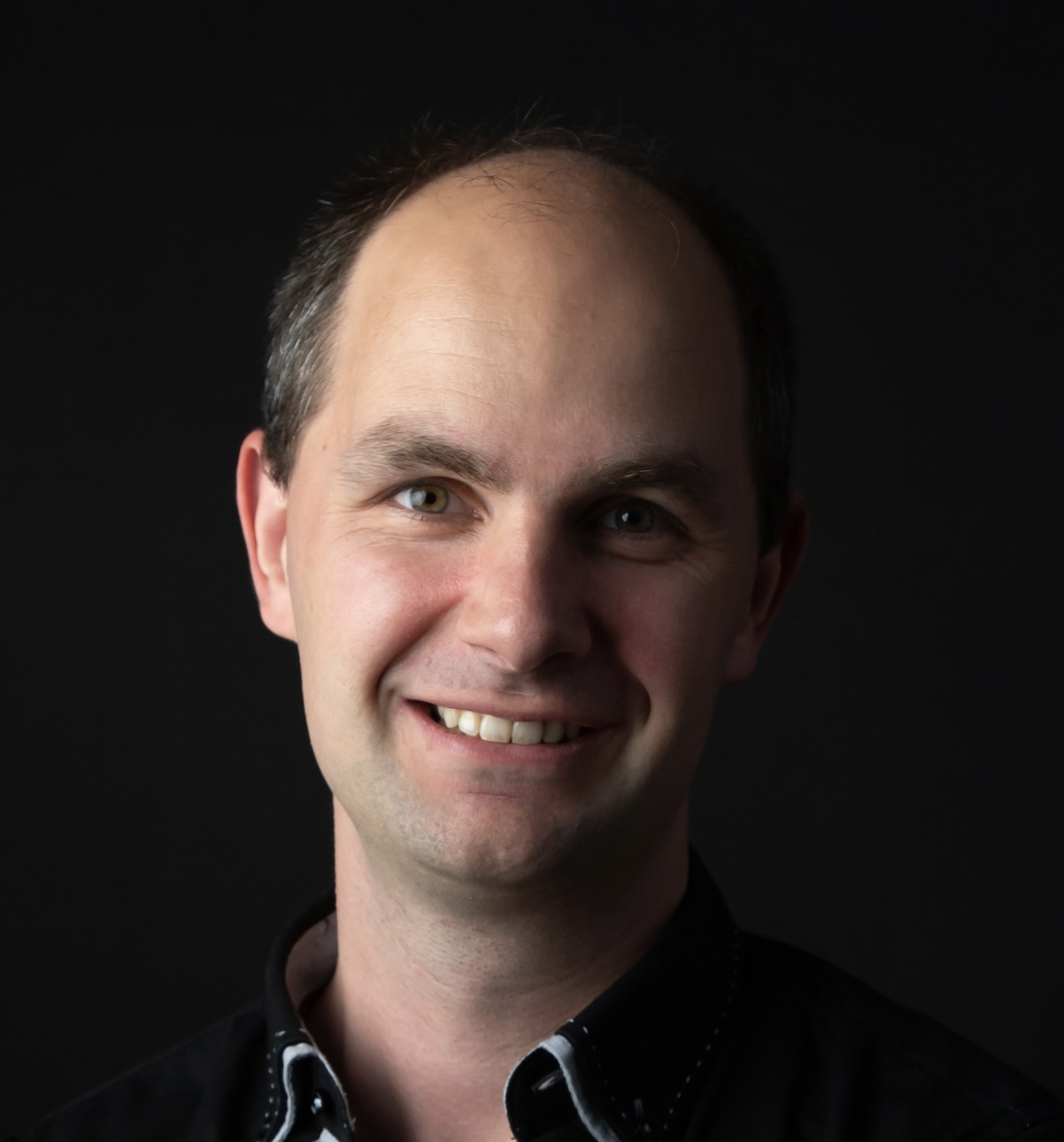
Robert Poortinga
Travel Booking Assistant
River cruise & Europe destination expert
Culinary and art travel specialist
Concert Pianist
_Black.png)