.svg)
The Danube: A Pianist's Listening Guide
A River That Already Had a Sound
Many people think of the Danube and immediately hear The Blue Danube by Johann Strauss II. I do too, but I have never thought it should be the only soundtrack. When I travel along rivers, I try to hear a musical progression and a history of culture and tradition behind it rather than a single famous melody.
For the Danube, the waltz did not appear out of nowhere. It grew from the older Ländler, a dance that slowly made its way down through southern Germany toward Vienna. Standing in Vienna after following the river, I find it impossible not to think about that musical journey. The taverns (heurigen), the traditions and the dance halls all left their mark on composers. Johann Strauss understood that world perfectly. His melodies are unforgettable, but they belong alongside Mozart, Beethoven and Schubert, not instead of them.
That is why I never build my recording-playlists around famous titles alone. I want every piece to belong naturally to the places passing outside the window.
Music That Changes With the Landscape
One of my favourite stretches is the Wachau Valley. I always imagine Schubert's Impromptus there. The river slows, vineyards appear on the hillsides and small villages come into view one after another. Schubert frequented the taverns nearly daily and played his compositions for his friends and acquaintances, the Schubertiaden, as these guarderings were called, was born. Nowadays the Schubertiade is still one of the most famous festivals in Austria.
The idea of connecting music and landscapes was planted years ago, I was on concert tour in the Dolomites when I listened to Bruckner's Seventh Symphony. I still remember looking out across those immense mountains while the music sounded in my ears. The scale of both seemed to belong together. I have rarely experienced such a strong connection between what I was seeing and what I was hearing.
That memory and idea of creating my own travel playlists came from this experience. Creating music from a particular region creates a very special sense and in a way deserves the same attention as the landscape itself.
Budapest Deserves Its Own Sound
As the Danube river moves east, the music changes naturally. Approaching Budapest, I leave the Viennese music behind and move toward Liszt, Brahms, Dvořák and Enescu. Their music carries influences from Hungarian and Romani traditions that shaped this part of Europe for centuries.
When I created these playlists, I wanted every region to have its own musical identity. A playlist should not simply contain composers born nearby. It should reflect the history of the people who lived there, travelled there and inspired one another.
For my clients, I record all of these works myself. I like the idea that someone is sitting quietly on their balcony with breakfast, reading in the lounge, or watching the river from the sun deck while listening to performances that I prepared specifically for that journey. The music becomes available whenever they choose, not only during a concert organised by the cruise line.
Listening Beyond the Concert Hall
Performing has changed the way I travel and travel has changed the way I perform. When I prepare a concert programme, I spend a great deal of time deciding why one piece should follow another and whether the repertoire fits the hall, the audience and the occasion. I approach these playlists exactly the same way.
Nowadays an algorithm or AI chatbot can recommend popular recordings or match a certain mood. It cannot feel why Schubert belongs to one bend in the river while Hungarian music feels completely natural somewhere farther downstream. It might know how traditions travelled along these waterways or why hearing certain music in certain places creates such a lasting impression but it never experienced itself, it didn’t record and go through 2 decades of daily dedication.
When I think back to my favourite moments of the Danube, I often picture Budapest in the evening and Vienna earlier in the journey. Schubert's Impromptus still belong to Austria for me. Hungarian music belongs to Budapest. Seeing those places while hearing music that grew from the same history gives the river another dimension.
That is why I continue creating and recording these playlists myself. I want my clients to experience the Danube with more than their eyes, and to return home remembering not only what they saw, but also what they heard while the river carried them from one culture into the next.
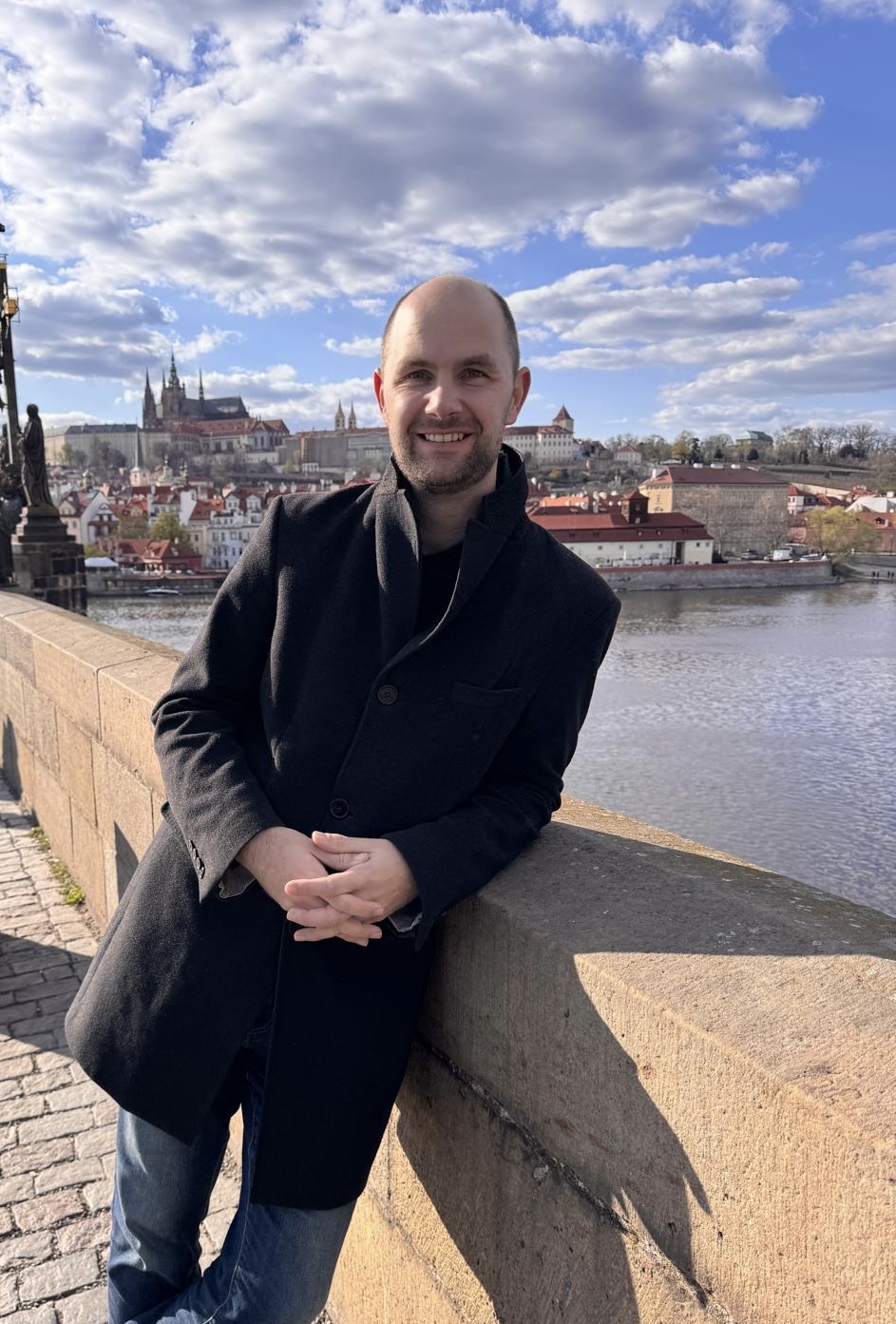
Multi Sensory travel is key to DeSalvio Travel
At DeSalvio Travel, we believe a Danube journey should be heard as well as seen. We strongly believe in multi sensory experiences and how these create more meaningful memories and travel. We design cultural river cruises that combine exceptional itineraries with thoughtfully curated music, private performances, and the stories behind the places you visit. If you're looking for a Danube experience that goes beyond sightseeing, we'd be delighted to help create a journey that reflects your interests and pace.

Robert Poortinga
Travel Booking Assistant
River cruise & Europe destination expert
Culinary and art travel specialist
Concert Pianist
_Black.png)