.svg)
The Soundtrack of the European Waterways: How Music Changes from the Seine to the Elbe
Morning Along the Seine
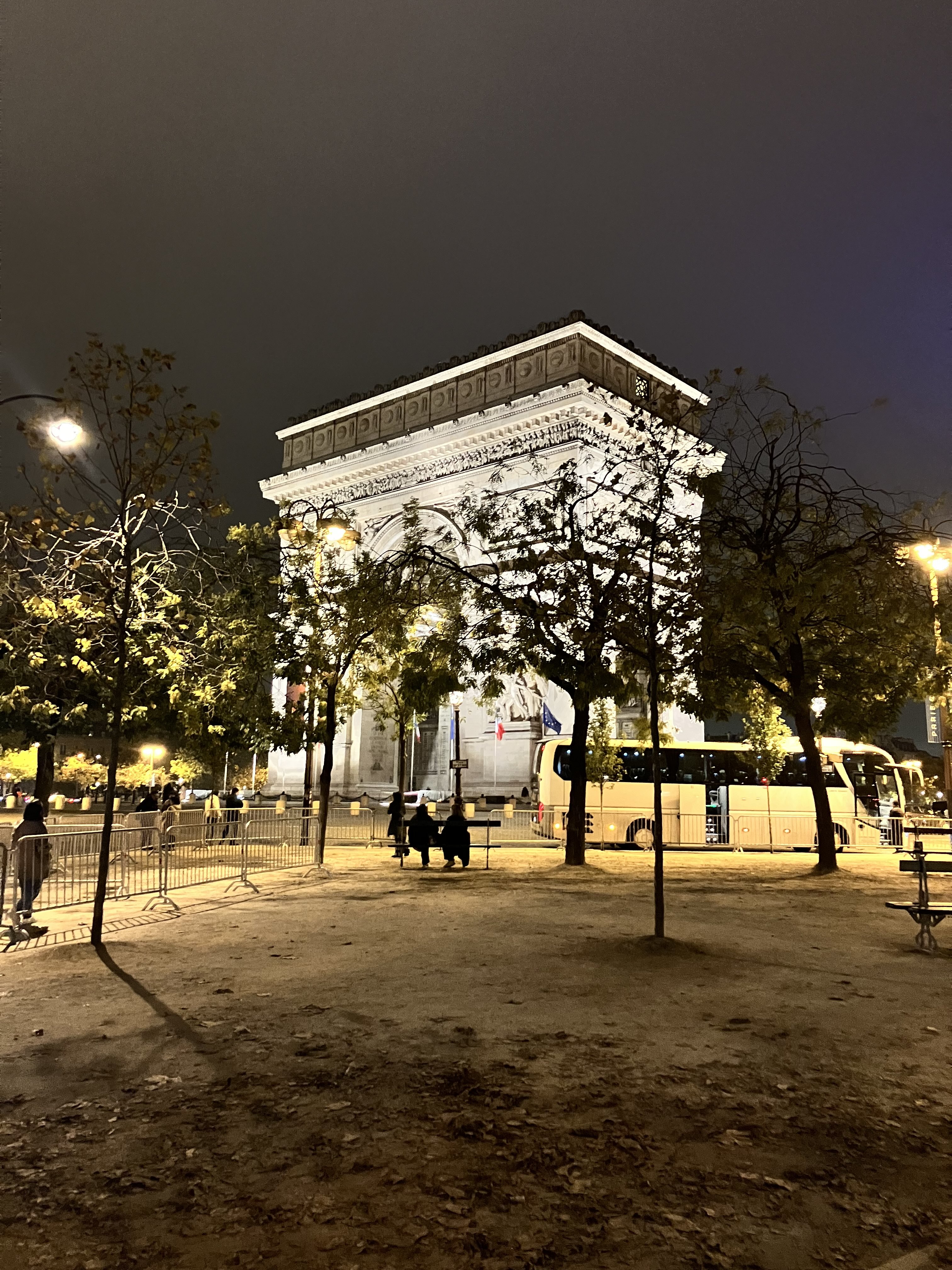
We spent the morning walking through Paris before the city had fully woken up. The light along the Seine was soft and the river flowed quietly beneath the bridges. Later that day, sitting near the water, we listened to Debussy and Ravel. It felt completely natural there.
Paris still carries traces of the artistic world that shaped these composers. Around the Opéra district and Montmartre, we passed streets where musicians, painters, writers, and patrons once built their careers. We often found ourselves thinking about the salon and café culture that filled the city during the nineteenth century. Many of the composers we admire today depended on those establishments for performances, teaching, and connections.
There are places we wish still existed. I often think about the Salle Herz, the concert hall created by pianist and composer Henri Herz, one of the composers I am currently studying and recording intensively but completely forgotten and neglected. Standing in Paris, it is easy to imagine how music, painting, and conversation overlapped in ways that still shape the city today.
Crossing Into Germany
A few days later, the atmosphere felt different. The river valleys became narrower. Forests appeared on the hillsides. Villages clustered around church towers and castle walls.
The music changed with it.
During our travels through Germany, Beethoven, Schubert, Brahms, and Schumann seemed to belong naturally to the landscape around us. We listened while passing vineyards, old town centres, and stretches of river that have carried traders, travellers, and armies for centuries.
The difference was noticeable even without thinking about it. French music often felt lighter in character. German music carried more weight, more structured. Sitting on deck and watching the scenery pass by, the contrast seemed obvious.
One evening near Dresden, with the city skyline visible in the distance, we listened to a slow movement by Schubert. The river was calm and the music settled into the surroundings without drawing attention to itself.
Building the Playlist
Whenever I create one of my river playlists, I begin with the route itself, look at the cities, and trace the river from beginning to end. Only then do I begin choosing composers and pieces.
Some selections are familiar. Others are works I want to explore further ourselves. I look for connections between the places and the music. A city, a composer, a historical event, or sometimes simply a feeling that fits the landscape outside the window.
One memory always returns when I think about combining music and place. During a concert tour in the Dolomites, we listened to Bruckner's Seventh Symphony while surrounded by mountains. The scale of the music and the scale of the landscape seemed to arrive at exactly the same moment. Nobody planned it. It simply happened.
That experience stayed with us while creating my playlists, even though I am not using big symphonies. Music changes when it leaves the concert hall and enters the landscape that inspired it.
Rivers, Memory, and Slow Travel
The longer we travel Europe's rivers, the more we notice that they connect far more than cities. Every stop reveals traces of older trade routes, migrations, traditions, and local identities. Architecture changes. Food changes. Languages change. The music changes too.
The Danube may move from Vienna's world of Mozart, Haydn, Beethoven, and the waltz tradition into regions shaped by entirely different musical influences. The Seine carries its own artistic, much more impressionist and free character. The Elbe feels different again.
We often listen while walking through a town after dinner or while watching the shoreline from the deck. The music becomes part of the surroundings rather than something separate from it.
Many travellers see rivers as scenery passing outside the window. We found ourselves paying attention to them differently. A melody would continue after leaving a city. A composition heard in the morning would return while looking at the same river later in the day.
By the end of the journey, it was difficult to separate the places from the music. The rivers carried both together, and that is exactly what we aim for at DeSalvio Travel.
Discover Europe Through Its Rivers, History and Music
A river is more than a route between destinations. It carries traditions, migrations, composers and stories that shaped entire regions. At DeSalvio Travel, we create journeys where music becomes part of the landscape, connecting what you see with what you hear. Explore Europe’s waterways through a personalised cultural experience.
Robert Poortinga
Travel Booking Assistant
River cruise & Europe destination expert
Culinary and art travel specialist
Concert Pianist
_Black.png)