
Musée Carnavalet: Seeing Paris Through Its Many Different Lives
A Museum Hidden in the Marais
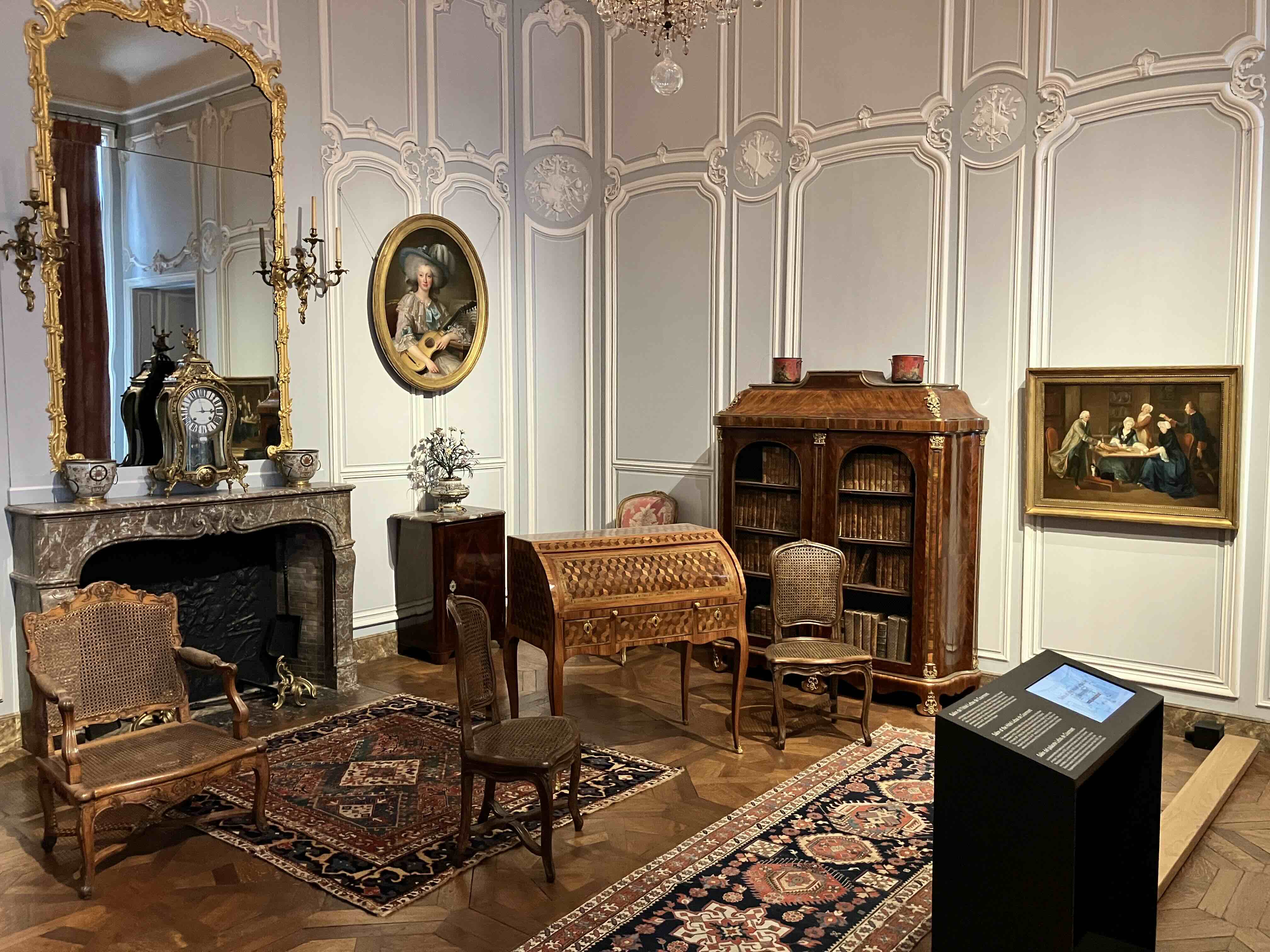
The Musée Carnavalet surprised me. It is housed in two historic hôtels particuliers in the Marais, rather than in a purpose-built museum, and the setting already makes it feel different from many of Paris's larger institutions. After the museum's recent expansion, there is considerably more to see, and I personally seuthink it is absolutely worth visiting.
The museum is about Paris itself rather than simply about individual works of art. That makes the experience quite different. We have visited many museums for particular artists or periods, but here the subject is the city.
And because the museum is free, there is no reason to feel that you need to turn it into an entire day.
The Paris That Keeps Being Rebuilt
One of the things that stayed with me most were the paintings showing the rebuilding and reshaping of Paris.
I knew about Haussmann and Napoleon III, of course, but I had not really thought about how many times the city had been changed before that. Seeing the successive transformations makes it very clear that Paris has never been one fixed city.
Every period shaped it differently. That is particularly interesting when you think about the different neighbourhoods. Each part can have its own character while still belonging to the same Paris.
It also made me wonder about the buildings outside the museum. How old is this one? Which period does that one belong to? If you start looking for buildings from different periods, you can almost try to reconstruct the older versions of Paris in your head.
The Revolution and the Eighteenth Century
The eighteenth century is still my favourite period in French history. The art is so exuberant, and then comes the Revolution and the enormous change that followed.
The Bastille room was particularly interesting, as were the small earrings associated with the guillotine. The museum explains the guillotine as an instrument that represented an equal death for people of different social classes.
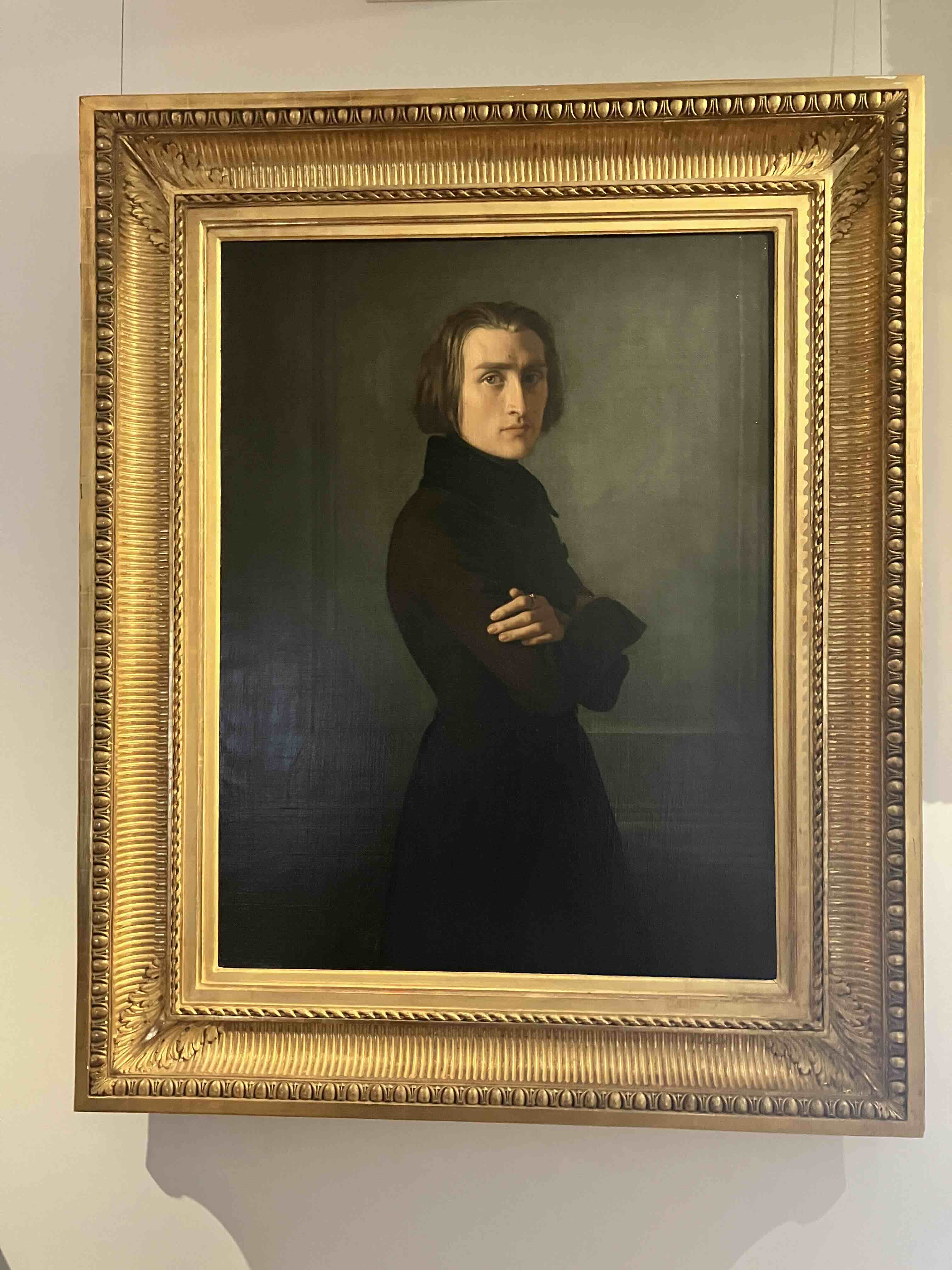
The Revolution itself was not new information for me, but for someone who does not already know much about French history, Carnavalet gives a very good introduction. I was actually more interested in the 1830 Revolution because that period is discussed much less often. Apart from all the revolutions, wars and reforms that raged through the country in the 18th century, Carnavalet also shows why Paris became a magnet for intellectuals and artists, allowing for a broader look upon the city in the 19th century.
I also liked the way the museum dealt with Romanticism and the nineteenth-century fascination with exotic places and cultures. There is more here than the standard story of the French Revolution.
A Different Way to Look at Paris
The most memorable room for me was probably the Art Nouveau room. It was truly immersive, although unfortunately it was impossible to capture properly in a photograph. Some things simply do not translate well into a picture.
We spent just over an hour in the museum, but we already knew quite a lot about Paris and Marisa had visited before the expansion. For someone coming to Carnavalet to really learn about the city, I would allow around two hours.
What I like most about the museum is that you can take what you see outside with you. The paintings of Paris being rebuilt and reshaped make you look at the city differently. You start wondering about the age of each building and which period it belongs to.
If you want to understand Paris rather than simply photograph its famous monuments, this is a very good place to begin. You can look for buildings from different periods afterwards and imagine what Paris looked like before the next transformation. It gives you something to look for when you are back outside.
Musée Carnavalet: Discovering the Many Layers of Paris
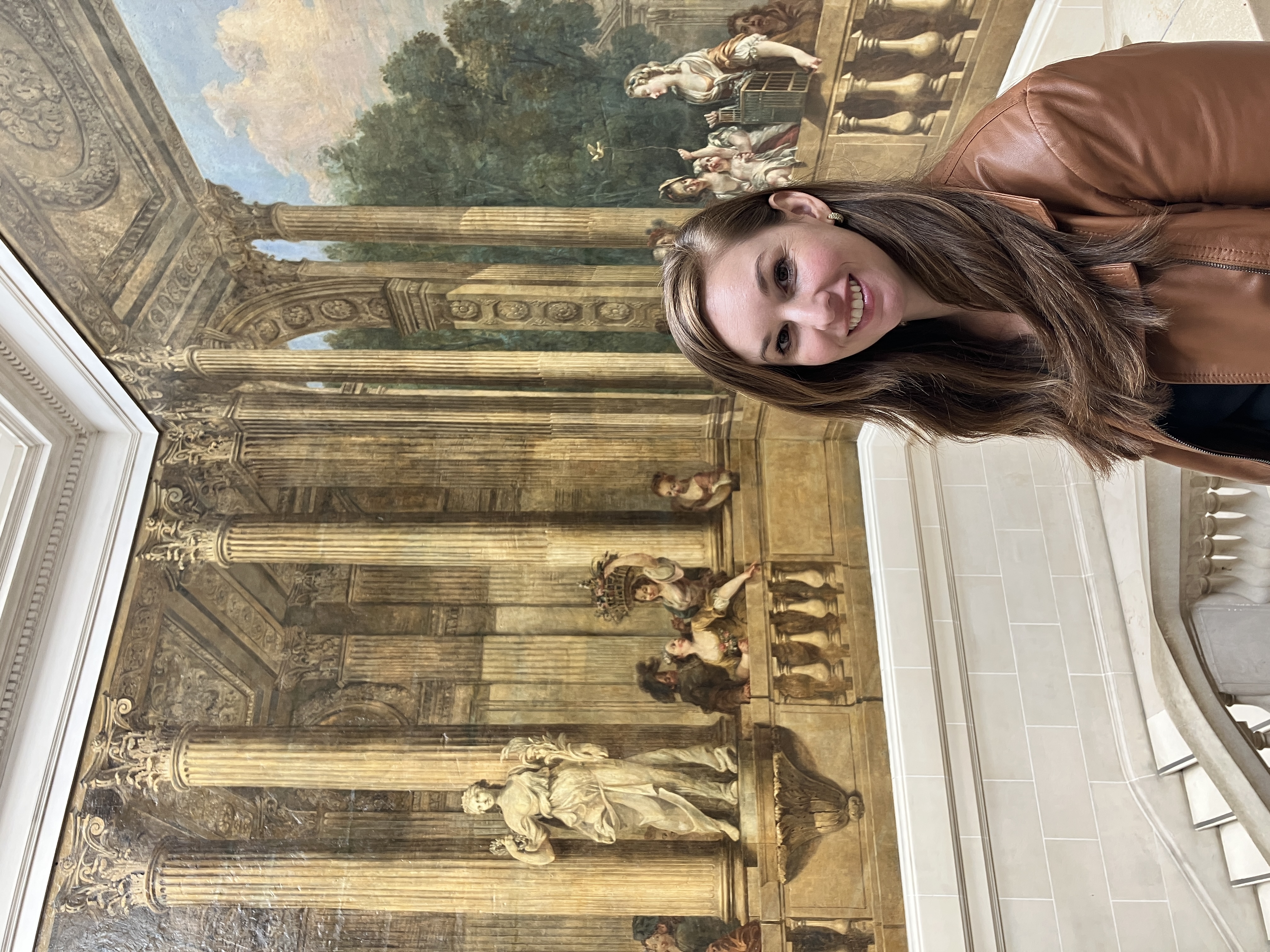
The Musée Carnavalet is a wonderful place to understand Paris beyond its famous monuments. Housed in historic hôtels particuliers in the Marais, the museum follows the city through its many transformations, from the eighteenth century and the Revolution to the rebuilding of Paris and the Art Nouveau period. We particularly enjoyed seeing how paintings and objects reveal a city that has constantly changed. The Bastille room, the Revolution collection and the immersive Art Nouveau room were highlights for us. Since admission is free, Carnavalet is also easy to include in a Paris itinerary without committing an entire day to the visit.

Robert Poortinga
Travel Booking Assistant
River cruise & Europe destination expert
Culinary and art travel specialist
Concert Pianist
